
Detox Your Mind: Why Letting Go of Negative Thoughts is Crucial for Your Well-Being
Negativity consumes not only mental space but also seeps into every aspect of life, eroding your aspirations, dreams, and plans. Pessimism can be detrimental to your mental, physical, and social well-being. Let's explore how it affects these areas: Mental Health Negative thoughts don't just make you feel miserable; they can also have a lasting impact on your mental health. Some potential consequences of allowing negativity to dominate your thoughts include: Major Depressive Disorder Generalized Anxiety Disorder Social Anxiety Disorder Post-Traumatic Stress Disorder (PTSD) Obsessive-Compulsive Disorder (OCD) Psychosis Even if you don’t receive an official diagnosis, constant pessimism can manifest in symptoms like: Chronic anxiety Depressive feelings Panic attacks Low self-worth Perfectionism Whenever negative thoughts arise, counter them with something positive, like a moment of gratitude, a hopeful affirmation, or a positive aspect of someone’s character. Physical Health Your thoughts profoundly influence your physical health, often in ways you may not fully realize. Negative thinking can contribute to the development of health issues such as: Increased risk of conditions like asthma, cardiovascular disease, and hypertension Weakened immune function Weight imbalances Irregular blood sugar levels The mind-body connection is undeniable—your mental state can directly influence your physical health. A pessimistic outlook can exacerbate physical conditions, so focus on the positive, even in difficult situations, to shift the odds in your favor. Social Health Have you noticed how negativity can strain relationships? Pessimism often erodes trust, intimacy, and connection. Negative thinking clouds your ability to appreciate the good in others and may distort reality, leading you to misinterpret situations or see problems that don’t exist. This can fuel misunderstandings and damage relationships, sometimes beyond repair. It’s also easy to become overly sensitive to harmless comments when trapped in a negative mindset, further harming relationships. Areas most affected include: Romantic partnerships Friendships Family dynamics Professional relationships Social circles and clubs Overcoming Negative Thinking Change begins with the desire to improve. Without the motivation to overcome negative thinking, lasting change is difficult. The first step is developing the intention to replace pessimism with positivity and optimism. Here are strategies for reprogramming your thoughts: Journal Your Thoughts: Write down negative emotions and thoughts daily. Putting them on paper helps release them from your mind. Identify Patterns: Review your journal for recurring negative themes or root causes that need attention. Designate "Negative Thought Time": Set aside a specific time to focus on negative thoughts, preventing them from consuming your entire day. Replace Negativity with Positivity: When negative thoughts arise, consciously shift them to something positive, like expressing gratitude. Foster Love and Positivity: Actively engage in giving and receiving love and optimism. Prioritize Physical Health: Maintaining good physical health supports mental well-being, so nurture both. Use Affirmations and Biblical Promises: Draw strength from uplifting scriptures or affirmations to reinforce a hopeful mindset. Express Gratitude: Appreciate your relationships, accomplishments, and life opportunities. Limit Exposure to Negative Media: Reduce intake of negative news; opt for uplifting, humorous, and heartwarming content instead. Practice Meditation or Prayer: Make connecting with divine power part of your daily routine. Optimistic individuals tend to enjoy better health, happiness, and success, while negative, pessimistic people can repel opportunities and people. Would you prefer to bask in sunshine or endure a dreary day? The choice is yours. Detoxifying your mind from negativity is one of the best decisions you can make for 2025, unlocking your potential for a brighter future.

Unlocking Joy and Fulfillment: Six Daily Practices
Life is a tapestry woven from the threads of our thoughts, beliefs, actions, and behaviors, where even the smallest details can have profound and enduring consequences. Delve deeper, and you'll find that these elements are shaped by our core identity, a topic we'll explore in another discussion. Every action has its reaction, and how these reactions resonate with you is largely influenced by your perspective and interpretation—how you perceive and assign meaning to events. While we could delve into the depths of this subject, let's keep things straightforward, as our aim is to discover practical ways to enhance our sense of fulfillment today. Research indicates that individuals with a positive outlook lead more satisfying lives, as they prevent negative self-talk from overwhelming their existence or tarnishing their worldview. They confront challenges with resilience, proactive steps, acceptance, and a belief in eventual positive outcomes. This life approach isn't exclusive to a privileged few; it's accessible to everyone. With this in mind, here are six daily habits designed to boost your life satisfaction and fulfillment. Daily Spiritual Practices Spending a few moments each day in prayer and meditation can be a stabilizing force in your life. These practices are linked to better physical, emotional, and mental health, stress reduction, and increased self-awareness and gratitude. Studies suggest that even a brief daily meditation session can significantly impact your day by fostering inner peace and gratitude. Spiritual practices can also mitigate negative emotions, offering a fresh outlook on stressful situations, and empowering you to face challenges with resilience. Crafting a Daily Agenda Opinions on to-do lists vary, but there's merit to both sides. Creating a list of daily priorities and tasks can enhance your organization and productivity, encouraging you to tackle the most important tasks first. Scheduling these tasks can further streamline your day. A to-do list serves as a guide, prompting you to follow through on your commitments and avoid procrastination. Crossing off completed tasks can instill a sense of accomplishment and pride, a powerful motivator. Embracing the Outdoors Evidence shows that spending time in nature significantly benefits our emotional and psychological well-being. It enhances positive emotions, reduces stress, and alleviates mental health concerns. Just a short daily outdoor period can elevate mood and happiness, fostering a greater sense of life satisfaction. Nature's tranquility soothes the mind and spirit, and incorporating prayer and meditation can foster a sense of connection to something greater. The added benefit of outdoor time is increased physical activity, whether it's a brisk walk or a leisurely stroll, contributing to overall health. Continuous Learning Maintaining curiosity and a commitment to learning new things is a pathway to greater life fulfillment. Acquiring new skills and experiences enriches self-awareness, personal growth, wisdom, and knowledge. With abundant resources at our disposal, learning has never been more accessible. There's educational material available for any interest, from videos and books to documentaries, podcasts, and online courses. Self-education enriches life, enhances cognitive function by keeping your mind active, combats boredom, and prepares you to contribute more meaningfully to society. Physical Activity Whether you're a gym enthusiast or prefer a more relaxed approach, the key is to get moving, as movement is inherent to our well-being. Set realistic goals and engage in physical activities that suit your preferences. Take short walks during breaks, follow a quick workout routine at home, or join a sports league. Physical activity alleviates stress, boosts confidence, and releases endorphins, contributing to a positive mood. Social Connections Human beings thrive on social interaction. Long-term studies reveal that our happiness and health are closely tied to our connections with others. Social isolation can have severe health implications, including increased risk of premature death due

Discover the Incredible Benefits of Walking!
Hippocrates once wisely stated, “A bad day? Take a stroll. Still feeling low? Take another.” Incorporating walking into your daily life offers a plethora of benefits. It's not just a delightful and soothing activity; it also contributes significantly to your overall health and happiness. Let's explore the remarkable advantages of walking. Outdoor Strolls Provide Fresh Air and Sunlight Striding outdoors amidst the crisp air and bright sunshine can be incredibly beneficial for both your mental and physical health. The negative ions in the air have a tranquilizing effect, while sunlight inhibits the production of stress hormones and aids in Vitamin D absorption. Additionally, deep breathing during a walk enriches your blood with oxygen. These combined effects can greatly elevate your mood and well-being! Walking Aids in Weight Management Walking at a brisk pace can help burn more calories compared to a casual stroll, contributing to maintaining a healthy weight. It's important to monitor your calorie intake, as walking doesn't burn as many calories as more intense exercises. However, it's an excellent method for shedding a few pounds and achieving a slimmer waistline. For those looking to lose a significant amount of weight, walking is an ideal starting point, as the extra weight leads to more calories burned. It's also gentler on the joints. As weight decreases, your strength and stamina improve, allowing for longer and more vigorous walks. Walking Enhances Balance and Coordination Walking, especially on uneven terrain, can improve balance and coordination. You can also enhance your balance by turning your head side to side for 30 counts and up and down for 30 counts during your walk, avoiding the risks associated with rough terrain. Incorporating these exercises occasionally during your walk can significantly improve your balance and coordination. Walking Fortifies Bones and Muscles Despite being a low-impact exercise, walking can strengthen and tone your body. If you're new to physical activity, start with walking to improve your fitness. As you become more fit, consider incorporating resistance training into your walks, using weights or bands, to further develop your muscles and bones. Walking Elevates Mood and Alleviates Depression Walking stimulates the release of endorphins, which can uplift your mood and potentially alleviate symptoms of depression. So, the next time you're feeling blue, lace up your shoes and take a brisk walk. Our bodies are naturally suited for walking. While it may not be your sole form of exercise, walking is a fantastic activity for enhancing and elevating your overall well-being. Walking has minimal drawbacks, especially if the weather is favorable and you have a secure place to walk. Why not test the waters with walking? Choose a day this week to embark on a short outdoor walk, lasting five or ten minutes, to experience increased calmness, happiness, and optimism. These feelings can assist you in unlocking your best life!

The Science of Happiness: Proven Strategies for Living a Joyful Life
Life can sometimes feel chaotic and unpredictable. We all face moments when our decisions don’t go as planned, when things spiral beyond our control, or when we bear the consequences of others' actions. However, how we respond to these challenges plays a critical role in shaping our experiences. Whether we invite more hope and joy into our lives or fall into misery often comes down to our own reactions and choices. As the philosopher Epictetus wisely stated, "It’s not what happens to you, it’s how you react to it that matters." Living with more joy, hope, and fulfillment is an intentional choice that we have the power to make every day. Here are some strategies to help you cultivate a more joyful life: 1. Discover and Prioritize Your Purpose There is immense joy to be found in living with purpose. Every person has something meaningful to contribute to the world—whether it’s through their job, passions, or acts of service. Purpose provides direction and motivation, giving you a reason to wake up each morning with enthusiasm. Reflect on the things you are passionate about and how they positively impact the world. If you’re fortunate, your purpose might even overlap with your career. But purpose isn’t limited to work; volunteering, mentoring, or helping others in your community can also bring fulfillment. When you embrace your purpose, you enrich your life with meaning and direction, leading to lasting happiness. 2. Cultivate Strong Relationships One of the key lessons we can learn from the centenarians in the Blue Zones—regions where people live the longest and healthiest lives—is the importance of nurturing social connections. These individuals prioritize their relationships with family and friends, forming a strong support system that plays a crucial role in their happiness and well-being. Whether you’re 30 or 90, meaningful relationships are a cornerstone of a joyful life. Invest time in connecting with others, sharing your experiences, and supporting one another through life’s ups and downs. A network of friends and family who understand and support you can be a powerful source of happiness and resilience. 3. Let Go of What No Longer Serves You Each phase of life requires growth and adaptation. To live a joyful life, it’s essential to release the things—people, situations, habits, or memories—that no longer align with your values or support your well-being. This process of letting go allows you to make room for new opportunities and a more fulfilling future. Letting go isn’t just about material things; it includes emotional and mental decluttering. Release toxic relationships, perfectionism, and any feelings of regret, guilt, or shame that weigh you down. By embracing the present moment and letting go of the past, you create space for new joy and possibility. 4. Practice Self-Kindness and Compassion A critical element of living a joyful life is nurturing your relationship with yourself. Often, we are our own harshest critics, engaging in negative self-talk or neglecting our own needs. To cultivate joy, it’s important to treat yourself with kindness, compassion, and forgiveness. Make time to rest and recharge, prioritize your mental and emotional health, and engage in activities that nourish your body and soul. By being gentle with yourself, you build a positive self-image that fosters joy and emotional well-being. Rewiring your thoughts to focus on self-affirmation rather than self-criticism can lead to profound shifts in how you experience life. 5. Embrace the Diversity of Joy Joy looks different for everyone. For some, it may come from the warmth of close relationships, while for others, it may be found in solitude or personal reflection. It’s important to identify what brings you joy and make space for it in your life. Whether it’s spending time with loved ones, pursuing hobbies, or simply taking a moment to relax, make room for the things that uplift you. Fill your cup first—taking care of your own needs allows you to pour into others and contribute to their happiness as well. 6. Laugh More and Be Present Laughter is a natural source of joy and stress relief. In the hustle and bustle of daily life, it’s easy to forget to laugh. Yet, laughter has been proven to reduce stress, improve mood, and strengthen social bonds. Make time for humor—watch a comedy, share a funny story with friends, or engage in activities that make you smile. Also, embrace mindfulness and stay present in the moment. Instead of dwelling on the past or worrying about the future, focus on the here and now. Enjoy the little things—whether it’s a peaceful walk, a good meal, or a heartfelt conversation. Living in the present allows you to experience more joy, free from unnecessary distractions.

Vision Impairment and Mental Health: Strategies for a Holistic Approach
The mind-body connection has long been established, with physical well-being influencing mental health and vice versa. While adopting healthy habits such as proper diet and regular exercise plays a crucial role in enhancing both physical and mental wellness, focusing on specific aspects of your health can further elevate your overall quality of life. For instance, past discussions on the science of happiness highlight effective strategies for improving mental well-being, including discovering your life purpose, fostering meaningful relationships, and practicing self-compassion. However, one lesser-known factor influencing mental health is eye health. It may surprise you to learn that your eyesight can play a significant role in shaping your mental state. Below, we delve into how poor vision can affect mental well-being and explore ways to protect your eyes for improved holistic health. The Link Between Vision and Mental Health In today’s technology-driven world, the impact of eye health on mental wellness is more apparent than ever. One of the primary ways poor eyesight affects mental health is through the stress caused by excessive screen time. Extended exposure to the blue light emitted by digital devices is a known contributor to digital eye strain. Symptoms like eye fatigue, dryness, headaches, and blurred vision can lead to physical discomfort that, over time, can also elevate stress levels, exacerbating mental strain. Beyond digital eye strain, studies have shown that more significant vision problems such as myopia (nearsightedness), hyperopia (farsightedness), and astigmatism can increase the risk of mental health issues, including depression. A review published in the Journal of Clinical Medicine revealed that individuals with vision impairment, particularly older adults, experience higher rates of depression. Since eyesight is essential for completing daily tasks and engaging with the environment, vision difficulties often lead to feelings of helplessness, isolation, and frustration—all of which can negatively impact mental health. The good news is that by prioritizing eye care, you can address these mental health concerns and support your overall well-being. Below are some practical tips for maintaining healthy eyes and promoting mental wellness. Eye Care Strategies to Enhance Mental Wellness 1. Regularly Update Your Eyewear As we noted earlier, vision problems can lead to chronic stress and emotional strain, especially if they interfere with daily activities. Ensuring your eyeglasses prescription is up to date is crucial for maintaining optimal vision and comfort. It’s worth considering high-quality eyewear brands like Ray-Ban, which offer a broad range of frame styles—from the iconic Wayfarer to the timeless Clubmaster—to suit different preferences. These glasses are designed with comfort in mind, featuring lightweight materials that prevent discomfort, even after long hours of use. Additionally, choosing glasses with built-in blue light filtering lenses can help reduce glare from screens, promoting both eye comfort and mental well-being. 2. Control Your Screen Time One of the most effective ways to manage the negative effects of digital eye strain is by regulating your screen time. Excessive use of digital devices not only harms your eyes but can also increase stress levels. Take regular breaks throughout the day to rest your eyes, hydrate, and perform simple eye exercises like blinking or rotating your eyeballs. To help manage your screen time, consider using mobile apps like Digital Wellbeing (for Android users) or Screen Time on Apple devices. These tools allow you to set time limits on apps, schedule breaks, and track screen usage, promoting healthier technology habits. 3. Schedule Regular Eye Exams Regular eye exams are essential for maintaining both your vision and mental health. Visiting an optometrist every one to two years allows for early detection of potential eye problems and ensures timely intervention. Regular eye check-ups can also help identify underlying conditions such as glaucoma, cataracts, or macular degeneration, which, if left untreated, may negatively impact mental well-being. By addressing these issues early on, you can prevent them from affecting your mood and daily functioning. Conclusion Your eyesight is one of the fundamental senses that help you interact with and enjoy the world around you. By taking proactive steps to care for your eyes, you can not only improve your physical health but also enhance your mental well-being. Remember, investing in eye care is an investment in your overall health, ensuring that you experience life to the fullest. For more tips on how to improve your health and lifestyle, continue exploring our resources here at Lifestyle.org.

Mastering Emotional Management: Practical Strategies for Emotional Regulation
Emotions are a natural part of life, but sometimes they can feel overwhelming. Whether it’s stress, anger, anxiety, or sadness, learning how to manage and regulate your emotions is crucial for maintaining mental and physical well-being. Effective emotional regulation can help you respond to challenges with greater resilience and clarity. Here are some expert-backed strategies to help you take control of your emotional responses. 1. Understand Your Emotions The first step in emotional regulation is awareness. Label your emotions: Recognizing and naming your feelings (e.g., “I feel frustrated” or “I feel anxious”) helps you gain control over them. Understand the triggers: Pay attention to what causes specific emotional reactions. Is it a person, situation, or your own thoughts? Identifying triggers can help you avoid or prepare for emotional challenges. 2. Practice Mindfulness Mindfulness involves staying present and non-judgmentally aware of your thoughts and feelings. Deep Breathing: When you feel overwhelmed, take a moment to focus on your breath. Slow, deep breaths (inhaling for 4 seconds, holding for 7, exhaling for 8) can activate your parasympathetic nervous system, calming your body. Body Scan: Gently check in with each part of your body to release tension and refocus your mind. This can be especially useful when emotions feel physically overwhelming. Mindful Observation: In moments of strong emotion, simply observe your surroundings or engage in activities like walking or meditative listening to help ground yourself. 3. Reframe Negative Thoughts How you think about situations directly impacts how you feel. Cognitive Reframing: Challenge negative thoughts and replace them with more balanced perspectives. For example, instead of thinking, “This situation is hopeless,” try reframing it as “This is difficult, but I can find ways to manage it.” Positive Self-Talk: Replace self-criticism with compassionate and supportive language. Instead of thinking “I can’t handle this,” try “This is tough, but I’ve handled challenges before, and I can manage this too.” 4. Use Emotional Release Techniques Sometimes, emotions need an outlet to be processed effectively. Physical Activity: Exercise, whether it’s a brisk walk, yoga, or intense cardio, can help release pent-up emotions and trigger the production of endorphins, improving mood. Journaling: Writing down your feelings in a journal allows you to express emotions constructively and gain clarity on the situation. Creative Expression: Activities like painting, music, or dancing can also serve as emotional outlets, helping to release intense feelings in a healthy way. 5. Practice Self-Compassion Being kind to yourself is essential in emotional regulation. Self-Acceptance: Accept that it’s normal to feel negative emotions; they are part of being human. Instead of judging yourself for feeling a certain way, practice self-compassion. Set Boundaries: Know when to step away from a situation or take a break. If you're overwhelmed, it’s okay to remove yourself temporarily to regain composure. 6. Seek Professional Support When Needed Sometimes, despite our best efforts, emotions can be difficult to manage alone. Therapy or Counseling: Talking to a licensed therapist can provide valuable tools for emotional regulation, especially if you experience intense or persistent emotional struggles like anxiety or depression. Support Networks: Sharing feelings with trusted friends, family, or support groups can provide emotional relief and perspective. Conclusion Emotional regulation is a skill that can be developed over time with practice and awareness. By understanding your emotions, applying mindfulness, reframing negative thoughts, using healthy outlets, and practicing self-compassion, you can effectively manage your emotional responses. Remember, it’s not about suppressing emotions but about responding to them in a constructive way. With these strategies, you can navigate life’s emotional challenges with greater ease and resilience.

5 Proven Strategies to Combat the Negative Impact of Social Media
As of 2023, over 5 billion people worldwide engage with social media, representing approximately 61% of the global population. Experts predict this number will increase to 5.17 billion by 2024. Among social media platforms, Facebook remains the most dominant, with 3.05 billion active users. Interestingly, the average social media user engages with six different platforms, indicating the widespread use and integration of these tools in daily life. Social media undeniably offers numerous advantages. It facilitates connections with family, friends, and businesses, providing a means to preserve memories, share experiences, and engage with like-minded communities. Platforms like YouTube empower users to acquire new skills or explore personal interests, ranging from practical tasks like repairing household appliances to creative endeavors such as knitting. Pinterest, Instagram, TikTok, and Twitter also contribute to the vast landscape of visual content, providing images and short videos designed to inform, entertain, and inspire. However, while these benefits are evident, there are significant downsides. Extensive use of social media has been linked to mental health challenges, such as increased stress, loneliness, and depression. Claude Mellins, Professor of Medical Psychology at the Departments of Psychiatry and Sociomedical Sciences, warns, "While social media offers undeniable benefits, it can also facilitate bullying, exacerbate body image issues, normalize risk-taking behaviors, and negatively impact mental health." Thus, it is essential to approach social media with caution, ensuring that its positive aspects are maximized while its negative effects are minimized. Below are five strategies to help manage your social media consumption effectively. 1. Curate Your Feed Thoughtfully Social media should serve you—not the other way around. Be intentional about what you allow to appear in your feed. Unfollow, block, or mute accounts that contribute to negativity, fear-mongering, or toxic content. Avoid the trap of curating a feed based on comparison or societal expectations. Instead, prioritize accounts that inspire you, promote personal growth, and align with your values. Surround yourself with content that uplifts you, promotes self-love, and emphasizes positive messages. Follow individuals who celebrate authenticity and encourage personal development, while remaining conscious of the impact this content has on your mental well-being. A wise principle to follow comes from Philippians 4:8: “Fix your thoughts on whatever is true, noble, right, pure, lovely, admirable—if anything is excellent or praiseworthy—think about such things.” You have full control over what enters your mind through social media, so choose wisely. 2. Take Control of Your Routine How often do you reach for your phone first thing in the morning, filling your mind with updates, news, and irrelevant posts? This habit can set a chaotic tone for your day, leading to unnecessary stress and a rush to meet deadlines. Instead, reclaim your morning by incorporating screen-free activities into your routine. Consider journaling, meditating, or practicing gratitude. These mindful activities not only start your day on a positive note but also help you remain grounded. When you do engage with social media later in the day, set time limits to avoid mindless scrolling. This will ensure that your time is spent intentionally rather than passively consuming content. 3. Turn Off Notifications While smartphones have become ubiquitous, constant notifications from social media platforms can disrupt your day and hijack your attention. The apps are designed to keep you engaged, as they rely on advertising revenue. By switching off non-essential notifications, you can regain control of your focus and time. Give yourself designated periods of uninterrupted time to engage in important tasks or simply enjoy a moment of quiet. This small but impactful step can help you break free from the cycle of constant digital interruptions. 4. Develop a Critical Mindset It’s important to remember that social media often showcases an edited version of reality. Posts and stories highlight the best moments of people's lives, creating an illusion of perfection. This curated content can sometimes lead to feelings of inadequacy, comparison, or envy. Approach social media with a discerning eye, recognizing that what you see is only a fraction of the full picture. Cultivate a mindset that acknowledges the limitations of online personas and reminds you that no one’s life is without struggles or imperfections. 5. Engage in Digital Detox Occasionally stepping away from social media can provide much-needed relief. Try disconnecting from your phone for a set period, whether it’s a few hours or a full day. Instead, take the time to appreciate the present moment—notice the beauty around you, listen to the sounds, and reconnect with your immediate environment. Engage in activities that enrich your life, such as learning a new skill, pursuing a hobby, exercising, or simply enjoying nature. This will help break the cycle of digital dependency and allow you to invest time in real-world experiences that contribute to your well-being. Embrace Life Beyond the Screen Ultimately, the key to thriving in a digital age is balance. While social media can be a valuable tool, it should never overshadow the richness of real-life experiences. Invest in relationships, pursue passions, and live with purpose. Let go of mindless scrolling and instead live with curiosity, joy, and intention. Seek adventure, cultivate gratitude, and engage in meaningful activities that foster personal growth. Embrace the fullness of life, and don’t let your screen be the lens through which you measure your happiness.

Is That Mole Something You Should Really Worry About?
Our skin can be rough, dry, smooth, or freckled, but it's typically not a cause for alarm until we spot a mole. Moles are a widespread occurrence, with most individuals possessing at least ten and continuing to develop new ones up to the age of 40. These are pink, tan, or brown spots that form when melanocytes, the pigment-producing cells, cluster together. They are often located in areas frequently exposed to sunlight. Most moles are small, slightly raised, and benign. The likelihood of them becoming melanoma, a form of skin cancer, is low. However, possessing over 50 moles can heighten the risk of melanoma, so it's crucial to consult a doctor if you observe any changes in your moles. Alterations in Color A uniform color change across the entire mole may indicate a serious issue. Moles, rich in melanin, are typically darker than the surrounding skin, making it challenging to detect color variations. A typical mole can be pink, reddish, tan, brown, or black—often referred to as a beauty mark. If you notice a mole that stands out, monitor it closely. Consult a physician if the color continues to change or if the mole takes on an unusual hue like blue or white. Changes in Size Moles generally maintain a consistent size. If it was a small spot when first noticed, it should remain approximately the same size. If a mole is consistently growing or is larger than the width of a pencil eraser, which is about a quarter inch, seek medical attention. Changes in Shape Moles are typically round. If a mole has irregular, ragged, blurred, or smudged edges, or if it has a dry, hard, scaly, or lumpy texture, consult a doctor. Itching, Bleeding, or Discharge Moles can itch due to friction with clothing. However, if an itchy mole starts to crust, bleed, or discharge, notify your healthcare provider. These symptoms could signal melanoma. How to Examine Your Moles Use a good mirror to inspect all sun-exposed areas of your skin. It's best to wear minimal clothing during this examination. When checking your moles, keep the ABCDE rule in mind: Asymmetry, Borders, Color, Diameter, and Evolving. Experts at skincancer.org report that a person dies from melanoma every 54 minutes. Thus, regular skin self-examinations are a vital cancer prevention practice. Moles are very common and mostly benign. So, there's no need for undue worry. However, regularly monitor your moles and consult your primary care provider promptly if you notice any changes.

3 Effective Glute Exercises You Can Do Anywhere, No Equipment Needed
Your glutes are more than just a major muscle group—they're the largest muscle in your body, comprising the gluteus maximus, minimus, and medius. These muscles play a crucial role in your core strength, helping you move efficiently throughout your day. So, yes, they're incredibly important! To strengthen this key area, we've picked out a few of our favorite bodyweight exercises you can easily do at home. Whether you're looking for a dedicated glute workout, adding them to your leg routine, or just wanting to activate these muscles, give these a try: 1. Box Lunge Start standing with feet hip-width apart and parallel. Step one foot back, bend both knees, and pause. Your front knee should align with your ankle, and your back knee should drop directly under your hip. If you feel discomfort in your knees, don’t lower too deeply. Press into your front heel to engage your glutes. Add a slight lean forward for a deeper stretch. Halfway through, raise your knee for a mild cardio boost. Continue for 3 minutes (1.5 minutes per side). 2. Side Seat Lift Lie on your side, propped up on your forearm (parallel to the mat edge). Push into your forearm to lift your upper body slightly, and extend your top leg, rolling your hip forward so it lengthens. From this position, gently lift and lower your top leg, targeting the glutes on your side. Continue for 3 minutes (1.5 minutes per side). 3. Narrow Bridge Lift Knee Fan Lie on your back with your feet together, inner edges touching, and knees squeezed. Your heels should be within reach of your fingertips. Engage your core, draw your ribs in, and tilt your pelvis slightly upward. Keep your shoulders down, and relax your jaw. Squeeze your knees together as if holding a bill between them. Slowly open and close your knees while pressing firmly into your heels. If your lower back feels strained, lower it slightly to the floor. Continue for 1 minute. These exercises can be easily added to your daily routine, helping you strengthen and tone your glutes without any equipment. Give them a try and feel the burn!

7 Essential Tips for Maintaining Healthy Joints
Maintaining healthy joints is key to staying active and pain-free. Here are seven practical tips to help you protect and strengthen your joints, ensuring long-term mobility and comfort. 1.Strengthen Surrounding Muscles To support your joints, it’s crucial to strengthen the muscles around them. For hip joints, focus on your glutes, hamstrings, quadriceps, and abdominal muscles. These muscles also play a key role in protecting your knees. Engage in safe exercises to build strength without putting extra strain on your joints. If you’re unsure where to start, a fitness professional can suggest simple exercises, including chair or mat-based routines, to get you started. 2.Improve Flexibility Alongside strengthening muscles, don’t forget to maintain flexibility in the joints. Regular stretching can enhance the range of motion and help prevent stiffness. It's also essential to give your body enough time to rest and recover after physical activity. Overdoing it can lead to strain, so always listen to your body and pace yourself. 3.Wear Supportive Footwear The right shoes are more than just a fashion choice – they provide crucial support for your feet, which affects the health of your joints. Well-designed shoes can improve balance, reduce the risk of ankle injuries, and provide stability, especially when walking or standing for long periods. 4.Maintain Postural Strength Good posture supports overall joint health. Pay attention to your core muscles, which include your abdominal muscles and those in your back. These muscles help support your spine and maintain proper posture. Regular exercises like planks can strengthen your core, but be sure to start slow and use proper technique to avoid strain. 5.Incorporate Balance Exercises Prolonged sitting can be hard on your joints, so it’s essential to incorporate balance and flexibility exercises into your routine. Activities like yoga or tai chi can improve your posture, flexibility, and joint stability. Many online classes are available, or you may find local fitness options that suit your schedule. 6.Consider Professional Guidance If you’re new to exercise or unsure about proper techniques, consider seeking the advice of a fitness professional. A personal trainer can assess your strengths and weaknesses, teach you the correct form, and help you set achievable fitness goals tailored to your needs. 7.Understand the Difference Between Soreness and Pain It's important to listen to your body. Muscle soreness from exercise is common and typically fades with rest. However, if you experience joint pain that doesn’t improve with rest or becomes tender to the touch, it's wise to consult a healthcare provider. Knowing the difference between normal soreness and pain can help prevent further injury and keep you on track for a healthy, active lifestyle.

How Exercise Can Boost Your Mood and Reduce Stress
In today’s fast-paced world, with constant demands and relentless activity, stress and anxiety levels seem to reach new peaks every day. Given this, taking care of our mental health has never been more important. One key aspect of mental well-being is mood regulation. If we don’t actively manage our mood, it can quickly spiral out of control, leading to feelings of overwhelm and even depression. Among the various strategies to reduce stress and cultivate calm, exercise stands out as one of the most effective. Engaging in physical activity has been proven to improve mood, and research consistently supports its numerous benefits. Why Does Exercise Enhance Your Mood? When we exercise, our brains release a neurotransmitter known as endorphins, which play a key role in enhancing our feelings of happiness. These endorphins bind to specific receptors in the brain, reducing pain and creating a sense of euphoria that spreads throughout the body. You might have heard of the term "runner’s high"—a state of exhilaration that runners often experience after a period of intense exertion. This euphoric feeling is the result of a surge of endorphins during physical activity, which can leave one feeling incredibly satisfied and content. However, the runner's high isn't exclusive to running. Any form of physical exercise can trigger this rewarding sensation. In addition to endorphins, other important neurotransmitters are also released during physical activity. Serotonin, often referred to as the "feel-good" hormone, is one such neurotransmitter. It’s responsible for stabilizing mood, regulating appetite, and improving sleep patterns. Exercise increases serotonin availability in the brain, helping to uplift mood and provide a sense of well-being. Similarly, dopamine, sometimes called the "reward" hormone, is released during exercise. Dopamine is closely linked to feelings of pleasure, motivation, and achievement. As you engage in regular physical activity, your dopamine levels rise, leading to a greater sense of accomplishment and satisfaction, particularly after completing a workout. How Does Exercise Help in Stress Reduction? Regular physical activity can also significantly reduce stress by lowering the levels of stress hormones such as adrenaline and cortisol in the body. Adrenaline, often referred to as the "fight-or-flight" hormone, is released when you face sudden stress. For example, if you slam on your car’s brakes to avoid an accident, the surge of adrenaline helps you react quickly and effectively. While this response is beneficial in short bursts, chronic stress leads to persistent high adrenaline levels, which can be harmful to your health. Similarly, cortisol, another hormone released during stress, can wreak havoc on the body when levels remain elevated over extended periods. Prolonged stress, or chronic stress, increases cortisol, which can lead to physical issues such as digestive problems, sleep disturbances, and an increased risk of disease. Fortunately, exercise plays a key role in counteracting these stress hormones. By regularly engaging in physical activity, you can help balance cortisol levels and reduce the negative effects of stress on your body. Exercise Boosts Self-Esteem and Confidence In addition to reducing stress and improving mood, exercise has a profound impact on self-esteem and confidence. The simple act of sticking to an exercise routine and seeing progress over time—whether it’s achieving fitness goals, improving physical performance, or noticing positive changes in your body—can significantly enhance your self-worth. As you continue to challenge yourself and improve, you may also begin to view your body more positively, which contributes to an overall improvement in your mental health. How Much Exercise Is Needed for Mood Enhancement? According to experts at Harvard Health, you don’t need to commit hours to exercise to experience its mood-boosting benefits. Even just 15 minutes of running or an hour of walking daily can have a noticeable impact on stress levels and mental well-being. While the precise amount of exercise varies from person to person, the key takeaway is that any amount of physical activity can help combat depression and improve your overall mood. As noted by Harvard Medical School professionals, the quality of life is closely tied to the quality of our mindset, and regular physical activity, no matter how small, can significantly enhance your mental outlook and sense of well-being. In conclusion, exercise is a powerful tool for both mental and physical health. By incorporating regular physical activity into your daily routine, you can experience improved mood, reduced stress, and a greater sense of self-esteem—all of which contribute to a healthier and happier life.

Embracing Positivity Amidst Adversity
As the month of November unfolds, a time traditionally dedicated to expressing gratitude in many parts of the globe, many individuals are grappling with the harsh realities of financial strain and strained relationships. Amidst a backdrop of global tension, unrest, and a constant barrage of new fears and uncertainties, cultivating an attitude of thankfulness can indeed be a formidable challenge. Today, let us direct our gaze away from our tribulations and the myriad of issues that appear to be amiss, and instead, explore the art of extracting positivity from the midst of negativity. Each person experiences days marred by negative emotions such as anger, anxiety, depression, discouragement, uncertainty, worry, resentment, bitterness, and fear. These emotions, potent in their impact, have the potential to spawn mental, emotional, and even physical ailments. But let's not dwell on the gloom; instead, let's recognize that we possess the autonomy to either succumb to these emotions or assert control over them, seeking out a positive aspect, a silver lining, if you will, in our circumstances. Often, these negative emotions stem from a tendency to assign blame for our misfortunes. However, harboring and nurturing these emotions is counterproductive; they are akin to festering wounds within our soul that cast a pall over our minds, obscuring the possibility of more hopeful days. Discerning the Positive It is imperative that we take the reins of our thoughts and train our minds to seek out positivity—the blessings—in every scenario, even when our vision is clouded by tears. The quest for positivity is a skill that requires practice. We must consistently remind ourselves that our thoughts govern our emotions; it is our thoughts, not our emotions, that should steer our mental course. Our emotions are frequently triggered by events or beliefs we hold about occurrences in our lives. The Craft of Discerning the Positive When next confronted with a negative situation, promptly remove yourself from the environment to a place of safety and calm; creating an emotional buffer can provide the necessary distance to view the incident with a clearer perspective. This allows for a more rational and objective assessment by considering the following questions: Am I overreacting? What is the worst-case scenario? How significant will this be in the grand scheme of things, a month or a year from now? Is this issue severe enough to jeopardize friendships? Could this lead to the loss of health, job, or family? Is it truly worth expending my time and energy on anger? How might the situation evolve if I simply let it go? If this situation is grave and demands my attention, what specific steps can I take to address it or initiate resolution? What is the silver lining in this adversity? What might be the silver lining if I choose to seek it out? These questions help to process and calm our emotions, fostering a more objective stance towards our challenges. Even if the incident is not a source of joy, by mastering your emotions, you can discern whether it is within your power to alter it or if it is better to disengage and move on. In either case, you have claimed ownership of your life and the power of choice, a positive outcome for which gratitude is warranted; the subsequent actions you take are entirely within your domain. An alternative approach is to "address the problem" by seeking solutions when disengagement is not feasible or the optimal choice. Seeking solutions shifts your mindset towards optimism, broadening your thinking and presenting multiple avenues for resolving the issue, thus transforming it from a negative to a positive. Not only will your perception of the situation change, but you may also come to view the "problem" as an opportunity for new learning.You Hold the Power Feeling at the mercy of life's circumstances is a surefire path to misery; it is akin to constructing a prison of discontent and joylessness for oneself. You, dear friend, have the ability to control your thoughts and emotions, a task that may be arduous at times, but one that is within your grasp; it is a divine gift. You are the master of your response to negative situations, a reason to be grateful. Even if you had no part in creating the negative situation, and even if it was thrust upon you without choice, you are still accountable for your response. Although it

Escaping the Grip of Old Habits to Unleash Your Fullest Potential!
Why is it such a daunting task to permanently overcome procrastination? Overcoming procrastination is indeed a challenge. We might start strong, maintaining momentum for a few days, only to slip back into familiar patterns or become disheartened by our perceived lack of advancement. Even minor obstacles can significantly hinder our progress towards our initial goals. But there's a silver lining: a single concept that can significantly enhance your likelihood of success: Accountability. **Quantify Your Progress** Begin by quantifying your progress. Let data guide you, not emotions. Monitor your habits. A straightforward method is to use a journal or a box for each day of the week. Mark off each task you accomplish that you had planned to do. If you intended to go to the gym on Monday, Wednesday, and Friday, and you did, then document it. In fact, compile a list of tasks for the following day, schedule them in a calendar, and monitor what you actually accomplish. Continue this practice daily until it becomes habitual or until your project is complete. For more extensive projects, break down your objectives into smaller milestones. Keep a record of your progress as you work towards achieving those milestones. Remember, what is measured is more likely to be completed. **Craft Weekly and Daily To-Do Lists** Spend time over the weekend planning your week based on the significant tasks you need or wish to complete; allocate specific days and times in your calendar for these tasks. If this seems too daunting, create a to-do list the night before. Experiment with the number of items on your list. Too many can be overwhelming, but also push yourself to accomplish more. Weekly and daily to-do lists foster accountability as you can review what you're deferring. If you've been neglecting certain tasks, assess whether they remain important to you. If they do, prioritize them by tackling them before anything else. **Share Your Plans with a Trusted Friend** If you're struggling to accomplish something, confide in a trusted friend and ask them to hold you accountable. Ensure it's someone who is genuinely supportive and will encourage you in a positive manner. Sometimes, this can provide the slight push you need to stop procrastinating and start following through more reliably. **Secure an Accountability Partner** What sets asking someone to hold you accountable apart from finding an accountability partner? An accountability partner is someone who is also dealing with procrastination. You agree to keep each other accountable. It could be as simple as checking in once in the morning to share your daily commitments or following up in the evening to see if you've completed your to-do list. Knowing that someone else is facing similar challenges is motivating and can inspire courage. Overcoming procrastination doesn't have to be an insurmountable task. Remember, procrastination is a habit that can be broken down into small, manageable actions. You possess the power to overcome it and unlock your best life!

5 Essential Self-Examination Questions Often Overlooked by Many
Familiar with Socrates' adage, "The life not examined is not worth living"? Whether you side with Socrates or not, a life without depth is feeble, empty, and cluttered with trivialities, ultimately hindering you from realizing your innate potential. It's imperative to carve out moments for introspection to better understand ourselves and discern whether we're living a life of our own design or merely following someone else's script. "Introspection involves inquiring into your values, evaluating your strengths and shortcomings, contemplating your perspectives and relationships, and envisioning your future aspirations." – Robert L. Rosen. Introspection is about scrutinizing your thoughts and actions, pondering your motivations, and gaining profound insights into your existence; it's a journey of self-discovery that enables you to live intentionally and deeply, steering clear of a mediocre, regretful path. Below are five introspective questions to illuminate your journey of self-discovery and unlock your best life. What are my core beliefs and values? Clarifying your beliefs and values allows you to make decisions that align with your life's course, even in the face of discomfort or disapproval. These foundational values and beliefs are the catalysts for your choices. What principles do you uphold? What do you oppose? Who are you when the spotlight is off? Who do you aspire to be in solitude? What are my strengths and weaknesses? What unique talents or attributes do you possess? What life lessons have you learned? In what areas do you excel? What are your weaknesses? Which aspects of your life require attention and enhancement? What are my ambitions and objectives? What do you dream of becoming or accomplishing? What are your aspirations? What have you been delaying? What are your immediate and long-term goals? Reflecting on your progress over the past year can reveal if you're on track, off course, lagging, or

The Importance of Self-Care for Hormonal Harmony 429
Many people view self-care as an indulgent luxury, feeling guilty about “pampering” themselves or spending money on non-essential services, thinking these funds should be used for basic needs. However, self-care is much more than a sleep mask or a massage. According to the National Institute of Mental Health (NIMH), "Self-care means taking the time to do things that help you live well and improve both your physical and mental health. In terms of mental health, self-care can help you manage stress, reduce the risk of illness, and boost your energy. Even small acts of self-care in your daily life can make a big difference." Self-care is essential for maintaining a healthy well-being—feeling whole and enjoying a fulfilling life! Our well-being encompasses emotional, psychological, social, physical, and spiritual dimensions. Good well-being is far more than the absence of illness. When we have a healthy sense of well-being, it positively influences how we relate to others, think, feel, and make decisions. An unhealthy well-being, on the other hand, can negatively affect every area of our lives. Self-care promotes a healthier, happier life. One remarkable benefit of self-care is its positive effect on hormones. Caring for both your body and mind enhances how you feel and helps maintain hormonal balance. Hormonal imbalances can cause unpleasant and harmful symptoms, such as fatigue, body aches, depression, or anxiety. Here are four ways self-care can promote hormonal balance, leading to a healthier and happier life: 1. Self-Care Boosts Self-Confidence Self-care enhances your confidence and self-worth by improving mood and boosting serotonin levels, which help regulate hormones like cortisol. Everyone wants to look and feel good. Healthy lifestyle habits, including exercise, balanced eating, and adequate rest, keep us fit, vibrant, and cheerful, boosting our confidence and encouraging healthier relationships. 2. Self-Care Manages Stress Stress triggers the release of hormones like adrenaline and cortisol, disrupting the delicate hormonal balance required for optimal health. Taking regular breaks throughout the day, going on getaways, and engaging in stress-relieving activities—such as taking walks, listening to music, meditating, praying, volunteering, or participating in a faith community—can help lower stress and maintain hormonal equilibrium. Even something as simple as a warm bath before bed can help. 3. Self-Care Promotes Healthy Blood Sugar Levels Self-care includes making healthy food choices. Eating habits are crucial for maintaining hormonal balance. Incorporating lean proteins, healthy fats, whole grains, and plenty of water into your diet while reducing or eliminating highly processed foods and sugar can help stabilize blood sugar and prevent hormone imbalances. 4. Self-Care Enhances Sleep Quality Sleep is not just about resting to avoid fatigue. Sufficient sleep supports a healthy balance of hormones like leptin, melatonin, and cortisol. Adults need at least seven to eight hours of sleep each night for healthy hormone regulation. While you've likely heard these tips before, they're worth repeating: stick to a regular sleep schedule, avoid screens before bed, and create a calming sleep environment to encourage healthy rest. 5. Self-Care Cultivates Mindful Awareness Practicing mindfulness through prayer, meditation, deep breathing, journaling about your emotions and faith, or full-body stretching has a positive impact on hormones like oxytocin and endorphins. These "feel-good" hormones are released when you experience love, connection, peace, and contentment. 6. Self-Care Enhances Intimacy Physical and emotional intimacy is an important part of self-care. Hormones like testosterone, estrogen, and progesterone play a role in fostering connections with others. Therefore, engaging in healthy relationships involving physical touch, such as cuddling or holding hands, is beneficial for maintaining hormonal balance. Prioritize self-care to keep your hormones in check. Life is much better when you feel happy and whole. Don’t resist or hesitate to take time for yourself. Listen to your body and honor its needs—whether that’s getting an extra hour of sleep or saying no to certain social commitments. Make self-care a priority if you want balanced hormones and a life full of peace, fulfillment, and joy. Taking care of your well-being is one of the best gifts you can give yourself to unlock your best life. Taking the time to nurture yourself is not a luxury but a necessity for living a balanced and healthy life. When we prioritize our well-being, it positively impacts every aspect of our existence—physically, mentally, and emotionally. Whether it's through improving your mood, reducing stress, or fostering meaningful relationships, self-care helps you stay resilient and capable of handling life's challenges. Making self-care a regular part of your routine doesn’t need to be complicated or time-consuming. It’s about consistently taking small steps that support your physical and emotional health, helping you manage the stresses of daily life and maintain a sense of inner peace. It’s about understanding that by caring for yourself, you can care for others and contribute to the world around you. Don't wait for a crisis to remind you to prioritize self-care. It's not selfish—it’s essential. When you take care of your body, mind, and spirit, you empower yourself to live with vitality, joy, and purpose. So, take a moment each day to engage in activities that nourish your well-being, whether it's through rest, exercise, healthy eating, or simply taking a pause to reflect and reconnect with yourself. Ultimately, self-care is an investment in your overall health and happiness. By adopting self-care practices that work for you, you’ll be better equipped to navigate the ups and downs of life with a balanced and positive mindset. Remember: when you take the time to care for yourself, you're better able to show up for others and live your best life.

Why This Is the Year to Stop Counting Calories, According to a Nutritionist
As the new year begins, it’s easy to feel overwhelmed by the pressure to diet and lose weight. But true health and peace with food often emerge when we stop obsessing over calorie counts and body size. Diet culture reduces food to a series of numbers, stripping away the joy and nourishment that should come from eating. This is the year to break free from calorie-counting goals and focus on building a foundation for lasting health and well-being. As a functional medicine dietitian specializing in eating disorders, here’s how you can foster a healthier relationship with food and find true fulfillment: 1. Recognize Your Patterns The first step in making meaningful changes is understanding your current habits. Take some time to reflect: What does your typical day look like? How would you like your days to unfold in the coming year? Pay special attention to your relationship with food. Here are some healthy habits to start this year: Plan your meals and snacks: Establish a consistent eating schedule, aiming to eat every three to four hours to stabilize blood sugar and improve mood. Your eating patterns are closely linked with sleep, so try to maintain a steady sleep cycle. Increase nutrient variety: The goal is to add, not restrict! Each week, try a new fruit or vegetable to diversify your diet. Include a range of colorful produce, as each color represents different micronutrients and beneficial compounds. 2. Eat with Intention Your mindset during meals doesn’t just affect how much you eat—it also impacts how well your body absorbs nutrients. In essence, how you eat is just as important as what you eat. Mindful eating helps you become more aware of your body’s signals during meals, fostering a healthier connection with food. Studies have shown that mindful eating improves health outcomes and reduces stress-related overeating. For instance, research involving 194 adults with metabolic syndrome found that while the mindfulness group didn’t experience significant weight loss, they showed improved cholesterol levels, lower triglycerides, and better blood sugar control. Mindful eating can also combat emotional eating. In one study, it was found that fostering self-compassion through mindful eating helps reduce stress-related bingeing. 3. Change Your Language Around Food The way we talk about food shapes our relationship with it. Instead of labeling foods as “good” or “bad,” which often leads to feelings of guilt or shame, focus on whether the food is “effective” in meeting your body’s needs. We all experience different types of hunger, both physical and emotional, and it’s important to listen to your body without judgment. Rather than attaching morality to food, consider whether a meal or snack provides nutritional, social, or emotional value. 4. Let Go of Perfection & Embrace Realism As Rebecca Solnit wrote in The New Yorker, "Perfection is the enemy of the good, the realistic, the possible, and the fun." This couldn’t be truer when it comes to our relationship with food. Let go of the idea of a “perfect” diet, which is often defined by restrictive trends. Whether you’re eating due to physical or emotional hunger, be present and gentle with yourself during the process. Embracing imperfection can help you avoid the cycle of guilt that often arises from striving for an unattainable “perfect” diet or body. By shifting your mindset and letting go of unrealistic expectations, you can find a more enjoyable, balanced approach to eating and nourish your body without guilt.

Don't Let Others Trigger Your Procrastination—Take Control Now!
You wake up full of energy and excitement, ready to take on the day. You're determined to tackle the tasks you've been avoiding or finally start that new business or project you've been dreaming about. You go through your morning routine—shower, dress, meditate, sip your favorite drink—and just as you're about to dive in, something unexpected happens. What Keeps You Stuck It starts innocently enough. You decide to check your email or, even worse, scroll through social media “for a minute” only to find yourself engulfed in conversations, requests, or issues that have nothing to do with your goals. A friend might call, asking for help or inviting you to do something, and it's hard to say no. Or perhaps, even more tempting, you get an alert that your favorite Netflix show has released a new episode. You know you shouldn't, but you click on it anyway, only to lose an hour or two to binge-watching. Life is full of distractions that can pull you away from your goals. If you're not vigilant, these interruptions will turn into procrastination, and you'll find yourself in the same place this time next year. How to Move Forward What if I told you there's a simple strategy to prevent this from happening? It’s easy, so simple that you might overlook it, but here it is: Focus on your most important task—the one you've been procrastinating on—first thing in the morning. Before checking emails, making calls, or scrolling through social media, dedicate the first part of your day to the task that matters most to you. The world will still be there in an hour or two, and you’ll have made significant progress on your goals. To make this strategy work, you need to start the night before. Take a few minutes to plan the following day. Write down the three most important tasks you need to accomplish and decide which one to start with. Whether it’s a single project or several smaller tasks you’ve been putting off—like exercising or responding to crucial emails—having a clear plan sets you up for success. Review your list in the morning, prioritize your first task, and avoid distractions until it's complete. Don't check your email or answer phone calls. If your job allows it, don’t attend meetings or engage in non-essential activities until these three tasks are finished. Make your goals your number one priority. Start Your Day with Purpose Holding yourself accountable to this approach will drastically improve your productivity and set a positive tone for the rest of your day. You’ll be amazed at how much more you can accomplish by simply focusing on your priorities first thing in the morning. No more feeling stuck. No more postponing important tasks. You can no longer afford to wait until you "feel like it." Start by becoming more aware of how external distractions affect your day and ask yourself: Is this person or activity helping me move forward or keeping me stuck? Does this mean you need to cut certain distractions out of your life? Maybe, but not necessarily. What it does mean is that you need to prioritize your time and be more intentional about when and how you let others and outside influences impact your day. When Procrastination Strikes When you catch yourself procrastinating, take a moment to evaluate what’s happening. What is causing this delay, and how can you address it? Identifying the root cause will help you take proactive steps to prevent it from happening again. By taking control of your mornings and focusing on your goals before anything else, you’ll be able to overcome procrastination and unlock your full potential. Don’t let distractions rob you of the success you deserve.

Have You Lost Track?
The year 2024 has swiftly passed its midpoint. Kudos to those of you who are making significant strides towards your objectives; you're part of an elite group, the top 9% of goal getters globally! For the rest, it's likely that this reminder has jolted you into recalling those New Year's resolutions you've let slip from memory. Do you recall the surge of enthusiasm and the vast potential you felt when you first set those goals? Your determination was palpable, your intentions clear, and the transformations you aspired to make were well-defined. It's probable that your desire to take control and enact change remains strong; thus, it's not a question of wanting less. The Obstacle So, what's the obstacle? It's the same factor that hinders most of us when we attempt to embrace new or challenging endeavors: RESISTANCE. Resistance manifests as self-doubt, fear, discomfort, anxiety, procrastination, lack of dedication, complacency, and more. Reflect on the early part of 2024. What forces of resistance have been impeding your progress towards your goals? The downside is that half the year is nearly gone. The upside? You have a full six months left to make 2024 your most successful year yet. There's still an opportunity. Mastering Goal Setting Many individuals need to become more adept at setting the right kind of goals. Every January, it's common to jot down two or three goals in areas such as personal finance, relationships, career/business, spirituality, and personal development. This year, the most popular New Year’s resolutions were to enhance physical fitness, financial health, mental well-being, weight loss, dietary improvements, and spending more time with loved ones. However, the typical advice is to prioritize these goals, assign a deadline for their completion, and compile a list of tasks to achieve them by that deadline. Unfortunately, this approach to goal setting often leads to failure. Consider how many times you've set goals in January, only to find by June that they've been neglected, and by December, they remain unaccomplished. This happens because these goals are overwhelming and seem unattainable. Effective Goal Setting Setting goals is not merely about fantasizing about the life you desire. It's about crafting a life vision where you envision achieving your goals without strict time constraints. The idea of not setting a deadline for your goals might be novel. However, by imposing a time limit on your goals, you risk setting yourself up for failure. Here's why: If you set a goal with an unrealistically short deadline, your mind may perceive it as unattainable, leading to feelings of being overwhelmed and a decrease in productivity. Conversely, if you set goals for a distant future, your mind might tell you that you have ample time, prompting procrastination and delaying action. The Impact of a Life Vision When you envision a life where you've achieved your goals or are reaping the rewards of your efforts, you're more likely to work towards those goals and avoid failure. Next, establish "process tasks" that guide you towards your vision and its realization. It's almost a cliché, but it's essential to love the journey, not just the destination. The gap between your current state and your desired future is bridged by a series of habits and tasks that lead you there. These tasks should have a timeline and strategies, which you should initiate and monitor using any time management and productivity tools that you find helpful. Without regular progress assessments, you may not follow through, and next year you might find yourself in the same position. Achieving your goals is about keeping them at the forefront of your mind and consciousness, ensuring daily progress on your task list to maintain momentum, similar to staying close to a fire to stay warm. Setting

Combating Procrastination: A Three-Pronged Approach
Psychology Today identifies various reasons why individuals often put off tasks they are aware need to be completed, with three primary causes being: 1) a lack of enjoyment in the task, 2) doubt in one's ability to perform the task well, and 3) the complexity of the task. It's estimated that around 20% of people are chronic procrastinators who delay tasks due to a reluctance to engage with them immediately. While we might avoid the tasks that require our immediate attention, we cannot escape the repercussions of such avoidance. With this in mind, here is a straightforward three-step method to help you take action and unlock your full potential. 1. Set a Goal, Even if It's Vague Having a vague goal is superior to having no goal at all, as it provides a starting point and helps you overcome the initial resistance to begin. Without a goal, you're left without direction, unsure of where to start. Consider what you aspire to achieve for yourself and others, and what you desire from life. Don't wait for complete clarity; take an idea and act on it. Starting brings things into sharper focus and propels you in the right direction. 2. Document Your Objectives We understand that procrastinators often refrain from taking any action. However, any action, no matter how insignificant, is more beneficial than inaction. Writing down your goals is a form of action that sets you in motion and ignites your drive. Jot down your aspirations and assign a deadline for their completion. For larger goals, outline the necessary steps and set deadlines for each. For instance, the deadline for tax submissions in the United States is April 15th, a date that many dread due to the paperwork and details involved. Break the process down into smaller, manageable tasks, such as gathering forms, collecting income documents, and filling out the forms. This example may not be inspiring, but it illustrates the concept effectively. Identify a task that you must complete and transform it into a goal by writing it down with a deadline, keeping it visible to remind you daily. 3. Initiate Action The key to progress is to begin. Cease contemplating, discussing, analyzing, and resisting the task at hand. If your aim is to enhance your physical fitness and you've planned to visit the gym three times a week, but find yourself hesitating when the time arrives, simply stop overthinking, put on your gym shoes, and head to the gym. Momentum is not something that is given; it is something you must create. Take the initiative and start. Make Today Count Life does not pause for anyone. Time is finite, and today—this very moment—is significant. Halt the process of convincing yourself against pursuing your dreams. Write down a few key goals and dreams that could lead to the best version of your life and commence your journey. It may be challenging and frustrating initially, but persist. Do not defer living your life for another day.

Rediscovering Your Authentic Self in a World of Constant Noise
In today's fast-paced world, we are bombarded by an overwhelming amount of information and choices, making it increasingly difficult to find clarity. The noise around us is deafening, and it's easy to feel disconnected from our true selves amid all the distractions. In such a world, staying true to who we are is harder than ever. Who are you, really? What do you stand for? What principles guide your life? What truths do you hold about yourself and the world? Here are practical steps to help you reconnect with your authentic self in a society that constantly pressures you to conform: 1. Nurture Your Curiosity Self-discovery begins when we embrace curiosity about our own lives and experiences. What excites you or sparks your interest? What activities bring you happiness or fulfillment? What passions resonate deeply with you? Take time to explore these facets of your personality and desires. Embrace your curiosity, as it will guide you on the path to discovering your truest self. 2. Practice Presence Without Self-Criticism It’s difficult to connect with your real self if you're always looking backward or ahead, or if you’re harshly judging yourself along the way. In moments of quiet, take a step back and simply breathe. Ground yourself in the present without self-judgment. Observe your thoughts, feelings, and circumstances objectively, without attaching any negative labels. Being kind to yourself is crucial. Treat yourself with the same compassion you would extend to a close friend. This non-judgmental self-reflection nurtures deeper self-awareness and strengthens your connection to who you truly are. 3. Define Your Core Values In a world full of external influences, it’s easy to adopt others’ values—whether through social media, advertising, or societal pressures. To reconnect with your authentic self, take time to reflect: What values matter most to you? Is it honesty, loyalty, family, health, faith, or perhaps freedom and independence? Values shift as we evolve. What was meaningful to you a few years ago may no longer hold the same weight. Embrace your evolving beliefs and let them guide your choices. 4. Reignite Your Passions When was the last time you truly examined your passions? What activities make you feel energized and alive? What pursuits make you feel truly fulfilled? Whether it's a hobby, a cause, a creative endeavor, or helping others, your passions give you insight into your deepest desires and motivations. Spend time cultivating them, as they are a reflection of your core identity. 5. Confront and Overcome Fear To step into your authentic power, you must confront the fears and beliefs that hold you back. What are you afraid of? Which limiting beliefs are preventing you from living freely? Are there compromises you’ve made that are stifling your potential? Facing these fears head-on is essential to breaking free from self-imposed limitations and embracing your true self. 6. Make Journaling a Habit Journaling offers a private, unfiltered space to reflect on your thoughts, emotions, and experiences. By regularly writing down your reflections, you can track your growth and gain valuable insights into your personal journey. Through journaling, you’ll uncover patterns in your behavior and emotions, providing you with a clearer picture of your authentic self. This introspective practice also allows you to express yourself freely, without the fear of judgment. 7. Recognize Your Strengths and Challenges Understanding your true self requires an honest assessment of both your strengths and areas for growth. While this can be difficult, it’s essential for personal development. Where do you feel strong and capable? Where do you struggle or feel vulnerable? What qualities do you embrace, and which do you avoid? Seek feedback from those you trust to gain an external perspective on your strengths and challenges. This can help you see yourself more clearly and support your growth. Final Thoughts Reconnecting with your authentic self is a deeply rewarding journey, though not always easy. It requires curiosity, presence, self-compassion, and the courage to confront fears. By embracing these practices, you can peel away the layers of external influence and live a life that aligns with your true values and aspirations. Through this process, you’ll unlock the full potential within you, embracing the person you were always meant to be.

Strength Training for Beginners: A Simple Guide to Building Muscle Safely
Strength training isn’t just for bodybuilders—it’s one of the best ways to improve your overall health, build confidence, and enhance physical performance. Whether you want to tone your body, increase strength, or support long-term wellness, strength training is an excellent starting point. Let’s break down the basics to help you begin safely and effectively. 1. What Is Strength Training? Strength training involves using resistance—whether from weights, bands, or your body weight—to challenge and strengthen your muscles. Common examples include: Free Weights: Dumbbells, barbells, kettlebells. Machines: Gym equipment designed to guide movement. Bodyweight Exercises: Push-ups, squats, planks. Resistance Bands: Elastic bands that provide adjustable resistance. 2. Benefits of Strength Training Starting strength training offers numerous benefits: Build Muscle and Strength: Increases muscle mass and improves functional strength. Boost Metabolism: More muscle means your body burns more calories at rest. Support Bone Health: Strength training increases bone density, reducing the risk of osteoporosis. Improve Posture and Balance: Strengthening your core and stabilizing muscles enhances posture and stability. Enhance Mental Health: Releases endorphins, reducing stress and improving mood. 3. Basic Principles for Beginners Start Light and Focus on Form Begin with light weights or just your body weight. Prioritize proper form to prevent injuries. Gradually increase resistance as you get stronger. Follow the “Big Four” Exercises Mastering these compound movements is essential for a solid foundation: Squat: Works your legs, glutes, and core. Deadlift: Strengthens your back, hamstrings, and glutes. Push: Bench press or push-ups for chest, shoulders, and triceps. Pull: Rows or pull-ups to develop your back and biceps. Start Slow and Build Gradually Train 2–3 times a week to allow muscles to recover. Begin with 1–2 sets of 8–12 reps per exercise. 4. Sample Beginner Routine Here’s a simple full-body workout to do 2–3 times per week: Bodyweight Squats – 3 sets of 10 reps. Push-Ups (Knee or Standard) – 3 sets of 8–12 reps. Bent-Over Dumbbell Rows – 3 sets of 10 reps (or resistance bands if no weights). Plank Hold – 3 sets of 20–30 seconds. Rest for 60–90 seconds between sets. Focus on controlled, steady movements. 5. Safety Tips for Beginners Warm-Up: Always spend 5–10 minutes warming up with light cardio and dynamic stretches. Cool Down: End with stretching to improve flexibility and reduce soreness. Listen to Your Body: If something feels wrong or painful, stop and reassess. Avoid Overtraining: Recovery is just as important as your workout. 6. When to Seek Guidance If you’re unsure about technique, consider hiring a personal trainer or watching trusted instructional videos to ensure safe and effective movements. Conclusion Starting your strength training journey doesn’t have to be intimidating. Focus on mastering the basics, stay consistent, and remember that progress takes time. With patience and effort, you’ll build a strong foundation for lifelong fitness and health.

4 Serious Eye Conditions Your Eye Exam Can Detect Early
As we age, changes in vision become more common, but many people remain unaware of the potential eye diseases that could be affecting their eyesight. These conditions not only jeopardize vision, increasing the risk of blindness and vision loss, but they can also lead to other serious health issues like falls, fractures, mental health challenges, and social isolation. Vision impairment can severely diminish your overall quality of life, making it essential to take proactive steps in protecting your eye health. Fortunately, many conditions that could result in vision loss are preventable or treatable, which is why regular eye exams are key. Why Should You Get an Eye Exam? You might not notice gradual changes in your vision until they become significant. Eye diseases can develop silently, often without early symptoms. By the time vision changes become noticeable, the condition may have progressed too far to treat effectively. Regular eye exams are crucial as they help detect eye diseases early, enabling you to take preventive measures or receive timely treatment to preserve your vision. Scheduling an eye exam every year or two helps monitor eye health and ensures your vision remains intact for longer. Here are several conditions that an eye exam can uncover: Glaucoma Glaucoma refers to a group of eye conditions that cause damage to the optic nerve, leading to potential vision loss and blindness. One of the challenges with glaucoma is that it usually develops without obvious symptoms in its early stages, often going unnoticed until it becomes more severe. Regular eye exams, including a comprehensive dilated eye exam, are essential for detecting glaucoma early, allowing for treatment to prevent further damage. Although there is no cure for glaucoma, early intervention can help maintain clear vision for a longer time. Age-Related Macular Degeneration (AMD) AMD affects the macula, the central part of the retina responsible for sharp vision. It's one of the leading causes of vision loss in individuals over the age of 50. Lifestyle factors, such as diet, smoking, and weight, can contribute to the development of AMD. During an eye exam, your eye doctor may use an Amsler grid to assess any distortions or blurry spots in your central vision. Retinal scans may also be performed to create detailed images of your macula. Detecting AMD early allows for treatments that can slow its progression and help preserve vision. Cataracts Cataracts cause clouding of the lens in the eye, leading to blurry vision, difficulty seeing in low light, and increased sensitivity to glare. During an eye exam, your doctor may dilate your eyes to inspect your lenses and identify any clouding. Cataracts are particularly common as we age, but they can be treated through surgery to restore vision. Early intervention may involve corrective lenses, and your doctor may recommend limiting sun exposure, which can increase cataract risk. Wearing sunglasses can protect your eyes and the surrounding skin from UV damage. Dry Eye Syndrome Dry eye syndrome occurs when the eyes don't produce enough tears, or the tears produced are of poor quality. It can cause discomfort, including irritation, burning, and a sensation of something being stuck in your eye. Dry eye can be exacerbated by insufficient blinking or age-related changes, but it can also be a chronic condition. During an eye exam, your doctor can measure the volume, quality, and production speed of your tears to diagnose dry eye. This condition can sometimes be linked to other serious health issues, such as lupus or vitamin A deficiency. An eye exam can help identify such underlying conditions early, improving your chances for effective treatment. The Importance of Early Detection Many eye diseases, if detected early, can be managed effectively to slow or prevent further vision loss. Regular eye exams are essential for identifying these conditions before they worsen, allowing for timely treatment and preserving your quality of life. Make sure to schedule regular visits with your eye care professional to ensure that your eyes remain healthy and your vision stays sharp for years to come.

Strolling: A Step Towards Lowered Blood Pressure and a Healthier Heart!
Strolling is a remarkable activity. It not only calms the nervous system by alleviating stress but also has the potential to reduce blood pressure and enhance cardiac strength. And It's Effortless! Individuals prone to stroke and heart conditions, especially those who are overweight, often struggle with exercise routines. However, strolling is a gentle form of exercise that is accessible to nearly everyone and serves as an excellent entry point for incorporating physical activity into your daily routine. Strolling enables you to begin at your own pace. It's simple and doesn't require significant financial investment to begin. All you need is a pair of comfortable walking shoes and the motivation to step outside! Embark on Your Journey Like This… If five minutes is all you can manage or have time for, start there. You might also consider walking to a nearby landmark, like a mailbox, and back, repeating this a few times a day. Begin with small, manageable steps. It's not uncommon to find yourself feeling invigorated and enjoying the activity so much that you naturally extend your walking duration after a few days. Whatever your starting point, never underestimate the impact of taking the first step. Push Your Limits To reap more significant health rewards, try varying your walking speed by either increasing your pace or incorporating intervals of faster and slower walking. After a few days, gradually increase your speed and extend the duration of your walks. Within a couple of weeks, you may find yourself walking for 20, 30 minutes, or even up to 45 minutes, logging a substantial number of steps. If a continuous 30-minute walk seems unattainable, consider dividing it into three separate 10-minute walks throughout the day. Always consult with your healthcare provider before starting a walking regimen, especially if you have high blood pressure or are at risk of heart disease, to ensure a safe and personalized plan. Relish the Rewards Treat yourself to the pleasure of walking. It's not only relaxing and helps lower blood pressure, but it's especially beneficial when done outdoors in a scenic park, breathing in the fresh air. You're likely to experience an improvement in your mood and overall well-being. Yet, the benefits extend beyond this. Consistent physical activity fortifies the heart, as it is a muscle. A brisk stroll doesn't just work your leg muscles; it also conditions your heart. With continued walking, your heart becomes stronger, facilitating more efficient blood circulation throughout your body. Your muscles will gain strength, and you'll burn fat, which is advantageous for long-term blood pressure management. All it requires is a brief, enjoyable walk each day. As your stamina improves, your walks will naturally become longer, and you might even explore other activities like swimming or cycling. A balanced diet, regular exercise, and weight loss are some of the most potent strategies for combating hypertension. Given that walking can significantly reduce stress, it's no surprise that it has such a positive impact on your health and well-being. You were built to move! Are you ready to embark on this journey? Let's put on our walking shoes and take that first step together!

Understanding and Preventing the Common Cold: A Guide to Staying Healthy
The common cold is one of the most widespread illnesses globally, affecting millions of people each year. Although it’s generally mild and self-limiting, it can still disrupt daily life and lead to more serious complications, especially for vulnerable individuals. Understanding what causes a cold and how to prevent it is key to maintaining good health, particularly during the colder months. Let’s take a closer look at what the common cold is and how you can reduce your risk of catching it. 1. What Is the Common Cold? A cold is a viral infection of the upper respiratory tract, primarily caused by rhinoviruses, although several other viruses, including coronaviruses and respiratory syncytial virus (RSV), can also be responsible. Symptoms typically appear within 1–3 days of exposure and can last anywhere from a few days to two weeks. The hallmark signs of a cold include: Runny or stuffy nose Sore throat Cough Sneezing Mild fatigue Low-grade fever (sometimes) Though uncomfortable, a cold is usually not serious and most people recover with rest and symptom management. However, complications like bacterial infections or exacerbations of underlying conditions such as asthma can occur in some cases. 2. How Does the Common Cold Spread? The cold virus spreads primarily through: Direct contact: Shaking hands or touching surfaces contaminated with the virus. Airborne droplets: When an infected person sneezes, coughs, or talks, tiny droplets containing the virus can be inhaled by people nearby. Contact with contaminated objects: Viruses can live on surfaces (like doorknobs, phones, or keyboards) for several hours, making it easy to catch a cold after touching such surfaces. Cold viruses are most contagious in the first few days of illness, even before symptoms appear, which makes it challenging to avoid exposure. 3. Effective Ways to Prevent the Common Cold While there’s no surefire way to avoid catching a cold, there are several strategies to reduce your risk: a. Wash Your Hands Regularly Proper hand hygiene is one of the most effective ways to prevent the spread of viruses. Wash your hands with soap and water for at least 20 seconds, especially after being in public spaces, touching your face, or before eating. If soap and water aren’t available, use a hand sanitizer with at least 60% alcohol. b. Avoid Close Contact with Sick People If you’re around someone who’s sick, try to maintain a safe distance and avoid sharing utensils, cups, or towels. If you're feeling unwell yourself, stay home to avoid infecting others and to give your body time to rest and recover. c. Boost Your Immune System A strong immune system can help your body fight off viral infections more effectively. Here’s how you can support your immune health: Eat a balanced diet rich in fruits, vegetables, whole grains, and lean proteins to provide essential vitamins and minerals. Exercise regularly: Moderate physical activity strengthens the immune system. Get enough sleep: Aim for 7–9 hours of sleep per night to ensure your body has time to rest and recover. Stay hydrated: Drink plenty of water throughout the day to keep your mucous membranes moist and functioning well. d. Disinfect Surfaces Cold viruses can live on surfaces for hours, so cleaning and disinfecting frequently-touched items like doorknobs, light switches, and remote controls can reduce your risk of exposure. e. Use a Face Mask In crowded or high-risk environments, wearing a mask can help prevent the transmission of cold viruses, especially if you’re in close proximity to individuals who are sick. 4. Managing Cold Symptoms If you do catch a cold, there are several ways to ease symptoms: Stay hydrated: Drink plenty of fluids like water, herbal teas, or broths to stay hydrated and soothe a sore throat. Use over-the-counter (OTC) remedies: Decongestants, pain relievers (such as acetaminophen or ibuprofen), and antihistamines can alleviate symptoms. Rest: Get plenty of rest to help your immune system fight the virus. Use saline nasal spray or steam inhalation to relieve nasal congestion. Remember, antibiotics are not effective against viral infections like the common cold. If your symptoms worsen or last longer than 10 days, or if you experience severe symptoms like difficulty breathing or chest pain, consult a healthcare professional. 5. When to Seek Medical Help In most cases, a cold will resolve on its own. However, if you experience any of the following, it’s important to seek medical attention: High fever (over 101°F or 38.3°C) that doesn’t improve with treatment. Severe sore throat or difficulty swallowing. Shortness of breath or wheezing. Persistent pain in your chest. Worsening symptoms or symptoms that don't improve after 10 days. These could indicate more serious conditions such as strep throat, the flu, or a bacterial infection. Conclusion The common cold may be a part of life, but you don’t have to let it disrupt your routine. By adopting good hygiene practices, supporting your immune system, and taking preventive measures, you can significantly reduce your chances of catching a cold. And if you do find yourself under the weather, managing symptoms and allowing your body to rest will help you recover quickly. Stay healthy and take care of yourself!

7 Powerful Steps to Unlock Your Best Life in 2025!
Imagine living a life where your dreams are realized, your goals are accomplished, and you experience true fulfillment. Unlocking your best life is entirely within reach when you activate your inner potential. However, many people fail to achieve this because they lack the mental resilience, emotional strength, and determination required to overcome obstacles and persist in the face of challenges. Achieving your fullest potential is not an easy journey—it requires time, effort, and the courage to face risks. Yet, the rewards are profound. Below are seven essential steps that can help you begin unlocking your true potential and living your best life. 1. Clearly Define Your Goals and Purpose What do you want to achieve, and why is it important to you? Defining clear goals serves as a roadmap to your success. Understanding your motivations will give you the clarity needed to pursue your objectives with intent and focus. Take the time to write down your short-term and long-term goals. Evaluate each goal and break it into smaller, actionable steps. For instance, the goal of landing on the moon by the 1960s was a monumental task, but NASA reached it by taking a series of small, incremental steps. Similarly, you must commit to making consistent progress toward your own goals. Create a deadline for each goal to turn it from a vague dream into a tangible target. Tracking your progress, whether on a daily, weekly, or monthly basis, will help ensure you remain on course. Remember: what gets measured gets done. 2. Cultivate a Growth Mindset A growth mindset is crucial for anyone who seeks to achieve their best life. This mindset is rooted in optimism and a solution-focused attitude. It views challenges not as obstacles, but as opportunities for growth. People with a growth mindset are open to feedback and constructive criticism, seeing it as an opportunity for improvement rather than a personal attack. They remain focused on the process rather than just the outcome, and they continuously adapt, experiment, and apply new knowledge. Instead of feeling envious of others' success, they draw motivation from it. Above all, individuals with a growth mindset never lose sight of their “why”—the reason they are pursuing their goals. This deep sense of purpose helps them stay resilient even when obstacles arise. 3. Journal to Reflect and Gain Insight Journaling is an effective tool for self-discovery and growth. It provides a space to process thoughts, track patterns, and reflect on both successes and setbacks. By journaling regularly, you can gain clarity about your emotions, actions, and motivations. Documenting your feelings, thoughts, and experiences allows you to evaluate what is working and what isn’t. It also helps you identify recurring triggers in your life, whether they are situations, people, or specific thought patterns, and find ways to manage them effectively. Additionally, journaling promotes mental health, stimulates creativity, and fosters a deeper understanding of yourself. It can also serve as a powerful motivator during tough times. 4. Learn from Your Mistakes Mistakes are inevitable, but they should never be seen as failures. Instead, view them as learning experiences that provide valuable insights for growth. The old adage "fail forward" emphasizes that failure is an essential part of success—if you learn from it. Take time to analyze what went wrong, identify the lessons, and apply them in the future. Avoiding mistakes or pretending they didn’t happen will only hinder your growth. Embrace the discomfort that comes with mistakes, as it is often the greatest catalyst for self-improvement. 5. Seize Opportunities While Managing Risk Every opportunity comes with an inherent level of risk. The greater the goal, the higher the stakes. Managing risk is a critical skill for achieving your objectives. If you're pursuing a big goal, you may encounter risks such as running out of money, time, or energy. While these risks can feel daunting, worrying excessively about them only drains your energy and reduces productivity. Instead, focus on identifying potential risks and creating strategies to minimize or mitigate them. Remember that risk can be managed in four ways: by accepting, avoiding, reducing, or transferring it. If the potential benefits outweigh the risks, move forward after taking reasonable precautions. However, always be honest with yourself about which risks are worth taking and which aren’t. 6. Prioritize Self-Care Taking care of your physical, mental, and emotional health is foundational to unlocking your full potential. When you feel well-rested, energized, and mentally strong, you are more motivated to take action and overcome challenges. Ensure that you prioritize self-care by eating nutritious food, exercising regularly, and getting enough sleep. Regular self-care practices help reduce stress and boost overall happiness, which in turn enhances your ability to stay focused and committed to your goals. 7. Master Time Management and Set Priorities Time management is one of the most powerful tools you can use to unlock your best life. Being able to prioritize important tasks and stay focused on them will allow you to make consistent progress toward your goals. Start by creating a to-do list the night before, prioritizing your tasks based on their importance. Eliminate or delay less essential tasks. Remember, the key to success is doing the right things at the right time. Minimize distractions by finding a quiet space to work, and set clear boundaries with those around you. Share your goals and boundaries with family, friends, or colleagues, so they can support your efforts. Even small blocks of focused time add up—dedicate just 10 or 15 minutes a day to focused work, and over time, this can lead to significant progress. Conclusion Unlocking your best life requires clarity, persistence, and strategic action. The first step is understanding your goals and the reasons behind them. Be consistent, stay resilient, and create a solid plan that includes regular reflection, self-care, and time management. As you take action, remember to embrace mistakes and risks as opportunities to learn and grow. By focusing on these seven key areas, you can begin the journey to living a life that is truly aligned with your full potential. Ask yourself today: What vision do I have for my life? Where do I want to be in a year, and what changes do I need to make now to get there? The answers to these questions will propel you forward on the path to unlocking your best life.

Effective Weight Management: Simple Strategies for Long-Term Success
Maintaining a healthy weight is crucial for overall well-being. It’s not about quick fixes or fad diets, but about creating sustainable habits that promote a balanced lifestyle. Whether you’re aiming to lose weight, gain muscle, or simply maintain a healthy weight, here are some expert-backed strategies for long-term success. 1. Understand Your Caloric Needs Weight management begins with understanding the balance between calories consumed and calories burned. Calculate your Total Daily Energy Expenditure (TDEE): This is the number of calories your body needs to maintain its current weight. Create a calorie deficit or surplus: To lose weight, consume fewer calories than your TDEE. For weight gain or muscle building, aim for a calorie surplus. 2. Focus on Nutrient-Dense Foods Choose foods that are rich in nutrients to support your body’s needs. Protein: Helps build and repair muscles and keeps you feeling full. Include lean proteins like chicken, fish, beans, and tofu. Fiber: Found in fruits, vegetables, whole grains, and legumes, fiber aids digestion and helps control hunger. Healthy fats: Incorporate sources like avocado, nuts, and olive oil to support heart health and satiety. 3. Stay Active Regularly Exercise plays a key role in weight management. Cardiovascular exercise: Activities like walking, running, or cycling help burn calories and improve heart health. Aim for at least 150 minutes of moderate-intensity activity each week. Strength training: Building muscle boosts metabolism and promotes fat loss. Incorporate 2–3 strength training sessions per week, targeting all major muscle groups. 4. Get Adequate Sleep Sleep is often overlooked but is essential for weight management. Prioritize sleep: Aim for 7-9 hours of quality sleep each night. Inadequate sleep can disrupt hormones that control hunger, leading to overeating and weight gain. Maintain a sleep routine: Go to bed and wake up at the same time each day to regulate your body’s internal clock. 5. Manage Stress Effectively Chronic stress can lead to overeating and unhealthy food choices. Mindfulness: Practice techniques like deep breathing, meditation, or yoga to reduce stress levels. Physical activity: Regular exercise is not only great for the body but also helps reduce stress and improve mood. 6. Be Patient and Consistent Successful weight management takes time and consistency. Set realistic goals: Aim for gradual, sustainable changes rather than drastic weight loss. Losing 1–2 pounds per week is a healthy target. Track your progress: Regularly monitor your weight, food intake, and activity levels to stay on track. Remember, consistency is key. Conclusion Effective weight management is about building healthy habits that support your long-term goals. By understanding your caloric needs, focusing on nutrient-dense foods, staying active, getting enough sleep, and managing stress, you can maintain a healthy weight and improve your overall health. Remember, small changes over time lead to lasting results.

Is Stress Impacting Your Weight? Strategies for Cultivating a Positive Attitude for Weight Management
Health professionals worldwide are noting a concurrent increase in stress and obesity rates. In the United States, recent surveys indicate that nearly one in five adults frequently experience feelings of loneliness, anxiety, or depression. Concurrently, obesity is on the rise, with approximately two-thirds of adults classified as such. This simultaneous increase is not accidental; experts have identified a vicious cycle where stress and obesity exacerbate each other. This is a significant concern, as the WHO reports that obesity-related complications account for nearly three million deaths globally each year. Therefore, it's crucial to comprehend the link between stress and weight and to develop a constructive mindset for weight loss. The Connection Between Weight and Stress Though stress is a mental state and weight is a physical condition, they are inextricably linked, with symptoms of one manifesting in the other. When the body is under stress, hormonal changes occur, notably in cortisol, which manages the body's fight-or-flight response. This can slow metabolism and affect the production of leptin, a hormone that regulates hunger and satiety. High cortisol levels can lead to increased appetite and weight gain. Additionally, stress can reduce motivation for weight management practices like dieting and exercising. Many people turn to food as a coping mechanism, which, while temporarily comforting, can lead to further complications. The gradual accumulation of weight can cause individuals to underestimate its impact. However, the transition from being overweight to obese carries severe health risks. Excess adipose tissue can trigger inflammation and disrupt blood sugar levels, potentially leading to over 200 chronic conditions, including sleep apnea, type 2 diabetes, cardiovascular diseases, certain cancers, gallstones, and mental health issues like anxiety and depression. Societal prejudices against obesity can further worsen depressive symptoms, creating a cycle where individuals gain more weight and feel increasingly depressed. Managing Your Mindset for Weight Loss Reversing obesity is challenging, but adopting a positive mindset is the initial step. Start by practicing self-compassion. We often judge ourselves harshly, so when negative thoughts arise, imagine speaking to a loved one in the same way. Instead, build a support network that can counter self-criticism and uplift you. This support is not only inspiring but also provides practical advice for weight management. Choose a weight loss method that suits your lifestyle. Following a diet or exercise regimen that you cannot sustain is unproductive. Even if the approach is slower, if it's maintainable, it will lead to greater satisfaction. For instance, if traditional gym workouts don't appeal to you, consider activities like walking, which are low impact, accessible, and effective at reducing stress, blood pressure, and body weight. Engaging in enjoyable activities helps maintain a balanced mindset and persistence, even during tough times. Lastly, celebrate small victories. Focusing solely on big goals can lead to feelings of inadequacy and depression, as they take time to achieve. Recognize and appreciate minor milestones to acknowledge your progress, allowing you to be more forgiving with yourself and see that you are making gradual changes on the path to a healthier life.

How Stress Destroys Your Brain Cells and Impacts Mental Health
Chronic stress has profound and wide-reaching effects on our health, potentially wreaking havoc on both our physical and mental well-being. Over time, it can increase vulnerability to diseases, diminish our sense of joy, and disrupt metabolic functions, including those of the immune system, blood sugar regulation, and cardiovascular health. The damaging impact of long-term stress is so extensive that researchers have yet to identify every possible way it can harm the human body. This means stress can trigger symptoms that may go unnoticed by physicians or be misattributed to other causes. In fact, medical studies suggest that up to 90 percent of all illnesses may be directly related to stress. Understanding Stress: More Than Just a Feeling Stress can arise from a variety of triggers, ranging from everyday frustrations to major life events. It could be caused by something as minor as a frustrating commute or as significant as losing a job. Any disruption to your routine, whether it affects your day or your sleep, can have a cumulative negative impact on both the body and the brain. When stress becomes chronic, the effects on the brain are particularly concerning. For example, prolonged exposure to cortisol, a stress hormone, can lead to increased levels of glutamate, an excitatory neurotransmitter. Glutamate plays a crucial role in regulating mood, cognition, and memory. However, excessive glutamate can contribute to brain cell damage, ultimately impairing cognitive functions and memory retention. The Role of Hormones in Stress During times of stress, powerful hormones such as corticosteroids and cortisol are released from the body’s parasympathetic and sympathetic nervous systems. These hormones initially help the body respond to stress by preparing it for action, a response often referred to as the “fight or flight” mechanism. Once the threat has passed, the body is supposed to return to a balanced state. However, with chronic stress, these hormones continue to circulate in the body, causing both mental and physical health issues over time. Major Life Events That Trigger Stress Stress doesn’t only arise from negative events—it can also be triggered by positive life changes. Major life transitions, whether pleasant or not, can cause significant stress. These include: The death of a loved one Divorce or relationship breakdowns Financial hardships Health challenges or changes in sexual health Pregnancy or family planning Moving to a new home or change of residence Changes in work, school, or religious commitments Vacation or travel disruptions Even minor legal issues Essentially, any significant shift in one’s circumstances—whether good or bad—can be perceived as stress by the body. Stress Symptoms: How It Affects Your Body and Mind The physical and emotional toll of stress is wide-ranging. Some common stress-related physical ailments include: Chronic pain (e.g., backaches, fibromyalgia) Sleep disturbances or insomnia Increased susceptibility to infections or colds Digestive issues like colitis or irritable bowel syndrome (IBS) Hormonal imbalances (e.g., missed periods, sexual dysfunction) Skin changes (e.g., acne, eczema) Emotional disorders such as anxiety, depression, and mood swings These symptoms highlight how deeply stress can impact both the body and the mind, underscoring the importance of managing it effectively. Eliminating Stress: A Practical Approach While it’s impossible to eliminate all stress from your life—and some stress is necessary for motivation and personal growth—it’s essential to find ways to reduce the harmful effects. By managing stress and reducing its hormonal impact, you can safeguard your health and well-being. Effective Stress-Reduction Techniques Here are several strategies that can help mitigate the negative effects of stress: Maintain a Balanced Lifestyle: Eating a nutritious diet, engaging in regular physical activity, and ensuring 7-9 hours of sleep each night are essential for physical and mental health. Mindfulness Practices: Incorporate techniques like deep breathing, meditation, and prayer into your daily routine to calm the mind and reduce stress levels. Stay Present: Avoid dwelling on past regrets or future anxieties. Focus on the present moment, and tackle one task at a time to prevent feeling overwhelmed. Social Support: Spend quality time with trusted friends, family members, or a therapist to gain emotional support. Strong social connections can buffer the effects of stress and provide a sense of stability. Positive Thinking: Consider practicing gratitude or engaging in activities that uplift your spirit, such as reading positive affirmations, scripture, or enjoying time in nature. You’re in Control Although the stresses of modern life can often feel overwhelming, you have the power to manage and reduce their impact. Consistent stress-management strategies—such as healthy lifestyle choices, emotional support, and mindfulness—can help mitigate long-term health effects and enhance your overall quality of life. By taking control of your stress levels, you not only protect your physical health but also unlock your potential for greater happiness and fulfillment. Embrace the power of stress management and unlock the path to a healthier, more resilient you!

Embracing Winter with Healthy Skin
As the winter season descends with its cold temperatures, reduced humidity, and biting winds, it's not just the landscape that changes; your skin also faces a new set of challenges. Dryness, sensitivity, itchiness, and fragility can become common issues due to the harsh weather conditions. The reason your regular skincare regimen might not suffice during the winter months is that your skin craves additional hydration. Fortunately, with a few adjustments, you can tailor your routine to combat the cold. Here are some tips to help you through. Opt for Brief, Warm Showers with Gentle Cleansers While hot showers offer immediate comfort in the cold, they can strip away your skin's natural oils, leading to dryness and irritation. If your skin appears flushed post-shower, the water is likely too hot. Opt for warm showers to maintain your skin's moisture and radiance. Additionally, consider reducing the duration of your showers or baths to avoid skin wrinkling, a sign of excessive water exposure. Contrary to popular belief, extended showers do not hydrate the skin; instead, they remove the protective layer of fats and proteins that retain moisture and shield the skin from winter's harshness. Lastly, traditional soaps can exacerbate dry skin by removing oils. It's better to use a mild soap, a non-soap cleanser, or an oil-infused shower gel to preserve your skin's natural moisture during winter. Prioritize Moisturization To prevent winter skin dryness, ensure your skin is well-hydrated. Creams and serums form a protective barrier that locks in hydration, outperforming lotions and gels. After a warm shower with a gentle cleanser, gently pat your skin dry and apply cream, oil, or serum while your skin is still damp. This technique seals in the moisture, resulting in softer and healthier skin. Sun Protection is Essential A common misconception is that sunscreen is unnecessary in winter due to weaker sun rays. However, up to 80% of the sun's harmful rays can penetrate through clouds, making sun protection crucial. Sun exposure accumulates over time, and daily exposure, no matter how slight, can contribute to premature aging and increase the risk of skin cancer. Applying a broad-spectrum SPF 30 sunscreen daily, regardless of the weather, is the best defense against harmful UV rays. Consult a Dermatologist for Personalized Advice If you've experimented with various winter skincare routines without success, seeking advice from a dermatologist is the next step. They can assess your skin and recommend a tailored routine to meet your specific needs. By following these simple skincare practices, you and your skin can fully enjoy the winter festivities without compromise.

Embracing the Great Outdoors with Sun Safety in Mind
Engaging with the outdoors is not just a hobby; it's a healthful practice. Studies have shown that immersing oneself in nature can enhance mood, increase joy, and decrease negative emotions. This is partly due to the sense of awe and amazement that nature can inspire, which promotes relaxation. Additionally, outdoor spaces provide an ideal setting for physical activities such as walking, cycling, and yoga, which contribute to improved fitness and overall health. While these outdoor activities are beneficial, they can also expose you to the harmful effects of the sun. However, it's possible to enjoy the outdoors while maintaining adequate sun protection. Here are some strategies: Prolonged outdoor exposure can lead to eye damage from ultraviolet (UV) rays and glare, which are reflections from surfaces like water that can contribute to vision issues such as cataracts. To mitigate these risks, invest in sunglasses that are designed to filter out excessive UV rays and glare. When selecting sunglasses, seek out those marked with “UV400” for guaranteed protection, and consider polarized lenses for better visibility in bright light conditions. For those who rely on prescription glasses for vision correction, the prospect of wearing additional sunglasses might seem inconvenient. Transition lenses may not always provide the necessary polarization, and they can take time to adjust to light changes. A practical solution is to opt for prescription sunglasses, which combine the convenience of a single pair of glasses with the benefits of sun protection. You can select your preferred frame and lens style and have your optician or eye doctor equip them with prescription lenses, such as the iconic Ray-Ban Round Metal or Clubmaster Classic models, ensuring you don't have to sacrifice sun protection. Outdoor activities can lead to excessive sweating, especially in hot weather. Failure to replenish lost fluids through adequate hydration can result in dehydration or, in severe cases, sunstroke due to overheating. To prevent this, always carry a water bottle with you when you're outdoors. A stainless steel insulated bottle, like the Hydro Flask Standard Mouth, is durable, leak-proof, portable, and designed to keep your water cool for extended periods, making it an excellent choice for outdoor use. Walking outdoors, as highlighted in our previous article, offers numerous health benefits such as calorie burning, improved balance, and stronger bones. However, sun exposure can also damage your hair, weakening its protein structure and leading to dryness, brittleness, and frizz. To protect your hair, wear a hat with a wide brim that shields your entire head and the surrounding facial area. The Patagonia Baggies Brimmer is a good option, featuring an adjustable chin strap to secure it on windy days. Extended periods outdoors, whether swimming at the beach or cycling, can overexpose your skin to UV rays, leading to premature aging, sunburn, and increased risk of skin cancer. Sunscreen application can significantly reduce these risks by using ingredients that block, scatter, and absorb UV rays, preventing them from penetrating and damaging your skin. Research indicates that daily use of sunscreen with a sun protection factor (SPF) of at least 15 can reduce the risk of squamous cell carcinoma, a prevalent type of skin cancer, by approximately 40%. When choosing a sunscreen, ensure it offers broad-spectrum coverage against both UVA (responsible for tanning and premature aging) and UVB (responsible for sunburn) rays, has an SPF of at least 30 for outdoor activities, and is water-resistant to prevent it from being washed off by sweat or water. For those with eczema or dry skin, there are milder, lightweight, and non-greasy options available that won't exacerbate skin conditions. Cetaphil’s SPF 50+ sunscreen and Supergoop’s Glow Stick Sunscreen SPF 50 are both broad-spectrum, blendable, and non-oily, making them suitable choices for daily use. Engaging in outdoor activities is not only enjoyable but also beneficial for your health.

Overcoming the Grip of Fear and Anxiety
Fear is a natural and vital emotion that plays a crucial role in your survival, shielding you from potential harm and offering a protective mechanism in certain circumstances when employed judiciously. However, when fear and anxiety become excessive and persistent, they can be utterly debilitating. These emotions can usurp your thoughts, strain your spirit, and prompt a retreat from life's engagements. Reflect on your past experiences and consider how often your fears were irrational or unfounded, surpassing any genuine threat from the situation or object at hand. Unattended, fear can escalate to harmful stress levels, leading to complications in your personal relationships and professional life. **Strategies for Combating Overwhelming Fear and Anxiety** **1. Identify Your Fears** Individuals often succumb to fear and anxiety when they perceive a lack of control, engulfed by uncertainty and preoccupied with potential negative outcomes. They conjure up worst-case scenarios, which are typically more disastrous than any actual event that may occur. To loosen fear's grip, begin by naming it. Engage in the introspective process of questioning and answering, "What am I truly afraid of?" This act brings your fears from the realm of imagination into reality, making them less daunting and more manageable. The acronym FEAR stands for False Evidence Appearing Real, and it's a reminder to seek the truth behind your fears. Focus on reality rather than fiction, as truth is the key to liberation from self-imposed confinement. **2. Exchange Negative Thoughts with Positive Ones** Many individuals are prone to negative self-dialogue, which can exacerbate fear and distort reality. To break free from fear's paralyzing hold, it's essential to recognize and challenge these thoughts with positive, empowering alternatives. Emphasize the facts and counter fearful thoughts with assertive, fearless affirmations. For example, shift from "What if I fail?" to "What if I succeed?" This shift in perspective can guide you towards a healthier mindset and a more favorable life trajectory. **3. Take Action** Action is the most effective antidote to paralyzing fear and anxiety. Concentrate on the present moment and determine what immediate steps you need to take. Identify and execute the next action, as this can generate the motivation you need. When faced with seemingly insurmountable goals that induce fear and stress, choose to look beyond the obstacle. You have the option to focus on the challenge or the victory that awaits beyond it. Concentrate on the positive outcome and the benefits that will follow from overcoming your fears. Break down your goals into smaller, achievable tasks to build confidence and maintain momentum. Empowerment is self-bestowed; take charge of your fears and start conquering them now. **4. Seek Professional Help** Engaging with a therapist can facilitate the process of understanding and pinpointing your fears. A skilled therapist will listen and assist in devising an action plan to overcome your fears, which is crucial if your fear is significantly impacting your daily life or has developed into a phobia.

The Impact of Gratitude on Mind and Body 392
Recent studies have revealed the transformative power of gratitude. This simple yet profound emotion can enhance sleep quality, elevate mood, strengthen the immune system, and mitigate depression, anxiety, chronic pain, and various diseases. It would be an underestimation to label gratitude as merely potent. Mental Health Advantages of Gratitude Gratitude has the capacity to instantly enhance one's perspective on life, thereby increasing joy and contentment. However, the advantages of gratitude extend beyond just elevating happiness. A more grateful disposition is associated with an improved self-perception, reduced anxiety, and even a decreased likelihood of depression, as intentionally cultivating gratitude for a few minutes can boost the levels of dopamine and serotonin in the brain.Physical Health Advantages of Gratitude The benefits of gratitude become even more fascinating when considering its impact on physical health. The emotional uplift from gratitude also releases "feel-good" hormones that positively influence your physical well-being. Gratitude can decrease stress levels, leading to improved sleep, lower blood pressure, and increased energy levels. Consequently, this can motivate you to be more active, contributing to better overall physical health. For example, your practice of gratitude might encourage you to take a walk, which in turn allows you to inhale more oxygen and absorb Vitamin D from the sun's rays. Quality sleep can reduce appetite by balancing hormones, and reduced stress can lead to healthier food choices and less emotional eating. The end result is a healthier and more robust version of oneself. Gratitude also fosters heart health by reducing stress and maintaining healthy blood pressure, which减轻s the strain on the heart. Additionally, the increased exercise and sleep can strengthen the heart, allowing it to recover and heal while you rest. Given that heart disease is a leading cause of mortality, there is no better time to embrace gratitude and soothe your nervous system. Spending just a couple of minutes each day to express gratitude can unlock its mental and physical benefits. Find a quiet space, place your hands over your heart, close your eyes, and take deep breaths. Reflect on the people and blessings you are grateful for. Remember to appreciate the simple things often overlooked, such as nature, laughter, hope, opportunities, challenges overcome, and the people you have been privileged to assist. Simply be grateful. Open your heart and express your appreciation to your Creator for the abundance of blessings. This practice can set a positive tone for your day and your life. Embrace the life-enhancing benefits of gratitude to unlock your best self.

Indulge in the Holidays Without Letting Your Scale Surrender!
The festive season is a time of joy, family reunions, and an abundance of delicious food. It's tempting to indulge a little too much during this period. What starts as a single scoop of ice cream can quickly turn into several, and then there are the pies... those irresistible pies... "Just a small slice of each, please." Imagine relishing every morsel without the guilt or fear of overindulging in your holiday favorites. Is it entirely possible? Perhaps not, but here's a strategy that will be kind to your waistline. **Strategic Planning** The secret to maintaining a balanced diet during the holidays is strategic planning. If you have a large meal planned for later in the day, opt for a lighter breakfast to enjoy your feast without excessive worry about overeating. However, avoid extreme hunger before the meal, as it can lead to poor food choices when your body is demanding sustenance. **Mindful Eating** The holiday season is a time to cherish, and there's no harm in partaking in treats you might not normally have. It's acceptable to indulge适度地放纵 without turning it into a competitive eating event. Should you consume more than intended, don't berate yourself. Remember, it's not the food you eat on Christmas that affects your health; it's your dietary choices throughout the year. When dining, appreciate the visual and aromatic appeal of the food, as well as its flavor. Comfort foods are more about satisfying cravings than filling your stomach. Eating slowly and savoring each bite can lead to a sense of fulfillment on multiple levels. Remember, it takes approximately 20 minutes for your brain to register fullness from your stomach. If you're still hungry after this time, feel free to have a little more. **Save Dessert for Last** Avoid satisfying your sweet tooth on an empty stomach, as this can lead to overeating. Start with healthier options and then treat yourself to a slice of pie or a scoop of ice cream. Even if sweets aren't your weakness, save your "trigger" foods for the end of the meal. For example, if fresh bread is your downfall, don't start with it; save it for last to prevent overindulging in refined carbs on an empty stomach. **Take-Home Treats** If possible, taking some food home can reduce the likelihood of overeating. Knowing you can enjoy grandma's apple pie later allows you to spread out the indulgence over the holiday period rather than trying to satisfy all cravings in one day. However, this strategy only works if you can resist the urge to consume the food immediately upon returning home. Lastly, research suggests that exercising before your feast or taking a 20-minute walk afterward can help mitigate the effects of overeating. With these straightforward tips, you can savor the holiday season and your favorite dishes without constant anxiety or guilt over indulgence.

Boost Your Immune System and Stay Healthy All Winter Long
The Centers for Disease Control and Prevention (CDC) shared concerning statistics on the flu on February 16, 2024, revealing that the United States has seen at least 24 million flu cases, 260,000 hospitalizations, and 16,000 deaths so far this season. These numbers highlight the importance of taking steps to strengthen your immune system. A robust immune system is crucial not only for preventing the flu but also for protecting against other illnesses, especially when traveling or during situations where you’re more likely to encounter germs—like flying or sending children back to school, where infections can spread quickly. Here are three science-backed strategies you can implement daily to fortify your immune system and improve your body’s ability to ward off illness: 1. Fuel Your Body with Nutrient-Rich Foods A balanced, whole-foods diet rich in fruits and vegetables is a cornerstone of a healthy immune system. These foods provide essential vitamins, minerals, and antioxidants that support immune function. During cold and flu season, make it a priority to incorporate immune-boosting foods like citrus fruits, which are high in Vitamin C, as well as broccoli, kale, and cauliflower. These vegetables contain compounds that enhance immune cell function and help prevent infections. Minimize processed foods as much as possible. These foods require more energy to digest and often lack the nutrients needed to bolster your immune system. By eating nutrient-dense, whole foods, you ensure your body has the necessary resources to fight off sickness without unnecessary energy expenditure. 2. Engage in Regular Physical Activity Regular exercise not only supports overall health but also strengthens the immune system. Even if it’s just a daily walk, physical activity enhances circulation, helping immune cells travel throughout your body more effectively. Outdoor exercise, particularly, has additional benefits. The negative ions in fresh air can improve immune function, while being outside in nature can help lower stress levels. Chronic stress weakens immunity, so finding ways to stay active and relaxed is crucial. Aim to move your body most days of the week, whether through a walk, jog, or yoga session. 3. Prioritize Restful Sleep Sleep is one of the most powerful tools in your immunity arsenal. Research shows that inadequate sleep can significantly reduce your immune defenses, making you more susceptible to infections. Aim for 7-8 hours of quality sleep each night. Create a calming bedtime routine by limiting screen time, dimming lights, and ensuring your bedroom is quiet and cool. These adjustments help signal to your body that it’s time to wind down and prepare for deep, restorative rest. Sleep is when your body repairs itself, recharges energy reserves, and strengthens the immune system.

Harnessing Criticism for Personal Growth
Norman Vincent Peale once observed, “Many of us prefer the downfall of praise to the salvation of criticism.” It's common to seek praise rather than face criticism. However, constructive feedback can be a valuable asset, depending on our perspective and response to it. Here are four strategies to turn criticism into a force for self-improvement rather than self-destruction. Maintain Emotional Distance from Criticism Criticism can sting and provoke anger, prompting a defensive reaction. To avoid this, it's crucial to create an emotional buffer between yourself and the critical remarks. The reason? To achieve a sense of detachment. Taking offense immediately is unproductive. The philosopher Epictetus noted, “If someone in the street were given control of your body, you would be outraged. Yet you hand over your peace of mind to anyone who happens to insult you, allowing it to be disturbed and perplexed. Isn’t that shameful?” Refrain from allowing others to dictate your thoughts and emotions with their critical or complimentary words. Resist being controlled like a puppet on a string. Consider this: an opinion holds as much power as you allow it; you have the final say on how their words affect you. You choose your emotional response to the situation; allowing others to manipulate or control you is hazardous and unwise. Establishing emotional distance between your self-esteem and the opinions of others is a potent method for navigating the treacherous waters of societal opinion and the pressure to conform to others' views and beliefs. Learn from Life's Lessons Transform criticism into an educational opportunity; let life be your teacher. Learning from every experience is empowering because it keeps you in the driver's seat of your life. Do you need to agree with others or pretend to admire their "wisdom"? No. However, you can be grateful because every interaction offers a lesson. When faced with criticism, view it as a prime learning opportunity. Thanks to the emotional distance you've created, you can assess their comments to discern any useful insights. This growth mindset turns setbacks into triumphs that bolster your life's journey. Exercise Patience with the Learning Process Arrogance hinders learning; humility is beneficial. No one is flawless or has reached perfection; we are all ongoing projects. Instead of feeling attacked, embarrassed, or diminished by criticism, remind yourself that you are committed to growth and self-improvement by examining others' words. Embrace the process of creating space and evaluating comments, as you may uncover beneficial insights. Listen, assess, retain what's useful, and discard the rest; evolve and progress. Criticism and Innovation Criticism can foster new perspectives that pave the way for innovation. Consider viewing criticism as feedback rather than a rejection. Ultimately, you decide whether to accept or dismiss criticism. For instance, when someone raises objections or identifies issues in a proposal or presentation, their input might spark your creativity to conceive new ideas or solutions. Why not seize the chance for expanded thinking? Harvard Business Review identifies a constructive criticism approach that acknowledges flaws without dismissing the idea entirely. They term this method "yes, but, and." Here, "yes, but" points out the issue, while "and" suggests potential solutions.[1] This approach provides room to evaluate criticism, seek solutions, and make improvements before discarding it due to offense or rejection. Closing Thoughts Ideally, people would be more considerate when offering constructive criticism, enhancing communication and outcomes. However, even if that's not the case, we can still optimize the situation by embracing the process. Criticism can be positive, regardless of the critic's intentions. By choosing to assess their comments for growth opportunities rather than taking them personally, we transform a negative encounter into a productive one, lessening the blow of criticism. This perspective on criticism is liberating and empowering! Criticism can either be a barrier or a key to unlocking your best life!

8 Powerful Strategies to Sharpen Your Brain for Success
Our brains serve as the central hub for every aspect of our lives, significantly impacting our physical, emotional, and cognitive performance. However, factors such as chronic stress, poor dietary habits, smoking, and excessive alcohol consumption can severely impair brain function. Over time, these behaviors contribute to high blood pressure, cognitive decline, and even conditions like dementia. The good news is that it's possible to adopt new habits and make positive changes that can dramatically enhance your brain health. Below are eight proven strategies to prime your brain for success and unlock your highest potential. 1. Embrace the Mediterranean Diet (MeDi) High-quality nutrition is crucial for optimal brain health. The Mediterranean diet, which emphasizes plant-based foods—such as fruits, vegetables, nuts, seeds, beans, fish, whole grains, and healthy oils like olive and avocado—has shown remarkable benefits. A study involving over 500,000 participants revealed that those who followed a Mediterranean diet had a 23% lower risk of developing dementia. Additionally, research suggests that the MeDi may enhance cognitive functions like memory, making it a powerful ally for brain health. 2. Manage Stress Effectively Chronic stress is one of the greatest threats to brain function. Yale Medicine defines it as a prolonged feeling of pressure and overwhelm, often exacerbated by life changes, work dissatisfaction, financial strain, or family conflicts. When under stress, the brain releases excess glucocorticoids, including cortisol, which can damage brain cells over time. To counteract stress, try practices like mindfulness or meditation. Taking time to breathe deeply and stay present can help calm the mind and prevent anxiety. Spiritual practices like reading scriptures or prayer have also been shown to reduce stress, keeping you grounded in the present moment. 3. Engage in Regular Physical Activity Exercise is more than just beneficial for physical fitness—it’s essential for cognitive performance. A survey by the Center for Creative Leadership of over 1,500 executives found that nearly 90% felt regular exercise positively influenced their mental clarity, focus, and problem-solving skills. Beyond brain benefits, physical activity improves overall health by reducing blood pressure, lowering cholesterol, boosting the immune system, improving sleep, and reducing anxiety. Make physical activity a part of your daily routine to support both mind and body. 4. Keep Your Mind Active Mental exercise is just as important as physical activity when it comes to brain health. Without regular stimulation, the brain becomes more susceptible to cognitive decline. Engage in activities that challenge your mind, such as reading, learning new skills, solving puzzles, or memorizing new information. Mental engagement keeps your brain sharp and can delay the onset of cognitive issues as you age. 5. Prioritize Quality Sleep Sleep plays a vital role in brain health. During deep sleep, the brain repairs itself, consolidates memories, and rejuvenates the immune system. REM sleep is especially important for processing and storing the information you’ve acquired throughout the day. Lack of sleep, on the other hand, can result in cognitive impairments, memory issues, mood disorders, and a weakened immune system. Establishing a consistent sleep schedule, turning off electronics at least two hours before bed, and limiting caffeine intake after noon are simple steps to improve sleep quality. 6. Quit Smoking Though smoking may seem like a way to relax, it has devastating effects on brain function. Research from the American Heart Association has shown that smoking accelerates cognitive decline, impairing both memory and overall brain performance. Breaking free from smoking offers numerous health benefits, including improved cognitive function and long-term brain health. If you haven’t already, quitting is one of the best choices you can make for your brain. 7. Stay Socially Connected Social interaction is not just important for emotional well-being; it also plays a key role in brain health. Studies have shown that a lack of social engagement is linked to brain atrophy and cognitive decline. Regularly connecting with friends, family, and community groups can reduce stress, combat feelings of loneliness, and even help prevent memory loss. Make an effort to build and maintain meaningful relationships to enhance both your brain and emotional health. 8. Seek Inspiration Taking time to reflect on life’s simple pleasures can be incredibly beneficial for brain function. Inspiration has been shown to boost mood, enhance creativity, and improve cognitive processing. For instance, experiencing awe—such as watching a sunrise, appreciating art, or strolling through nature—can help you gain a broader perspective and think more holistically. Finding moments of inspiration on a regular basis can foster a sense of well-being and boost your mental clarity. Conclusion A healthy brain is the foundation of a fulfilling and successful life. By incorporating these eight habits—balanced nutrition, regular exercise, stress management, mental stimulation, quality sleep, social engagement, and seeking inspiration—you can improve your brain’s performance and set the stage for success in all areas of life. Prioritize your brain health today, and take proactive steps to unlock your full potential for a brighter future.

Don’t Let Procrastination Crush Your Dreams – Take Action Now!
Procrastination is often called the “grave in which opportunity is buried.” When people reach the end of their lives and reflect on their journey, many find themselves haunted by a collection of regrets, mainly caused by delaying important actions and putting things off for “tomorrow.” Don't let this be your fate. Here are seven strategies to help you stop stalling and start actively pursuing your dreams. Take on one technique each day for the next week. And whenever you feel the urge to procrastinate, return to this list and apply one of these strategies to overcome the inertia. Watch as your productivity skyrockets. Start Small While the saying "Go big or go home" may sound motivating, it can often feel overwhelming and fuel procrastination, hindering productivity. Instead, focus on manageable, smaller tasks that bring you closer to your goal. If you’re not up for writing an entire article, write just a paragraph. If cleaning the house feels daunting, start by wiping down one counter. Don’t want to hit the gym? Simply lace up your sneakers. These small steps create momentum and help you get started. Set a Timer Using a timer is a proven tactic to break the cycle of procrastination. If you’re not feeling up to a task, set a timer for 7, 13, or 19 minutes, whichever duration feels achievable. Work on the task until the timer goes off. This technique is particularly effective for tasks like organizing, decluttering, learning a new language, exercising, or even tackling dreaded paperwork. Even starting with a brief time period, such as 5 minutes, can help you take the first step toward completion. Reward Yourself Sometimes, giving yourself a little incentive is all it takes to break the procrastination cycle. You can motivate yourself by committing to work on a task for an hour or two, then reward yourself with a favorite movie or show. If you have a large project, such as redecorating, promise yourself a treat like a new gadget or outfit once you finish. And if the temptation to procrastinate arises, remind yourself of the rewards awaiting you. Find an Accountability Partner Enlist the help of someone you trust to check in on your progress. Having someone who supports you and holds you accountable can be a strong motivator. You can set specific goals for the week and ask them to follow up with you midway or at the end of the week. For extra accountability, consider a daily check-in. Knowing someone is tracking your progress can provide the push you need to take action. Track Your Progress Tracking progress is a powerful tool to keep you motivated. For example, if your goal is to lose weight, weigh yourself daily and keep a record of your progress. Measuring your achievements keeps you engaged and prevents procrastination. Whether you use your phone, a spreadsheet, or a simple chart on the bathroom wall, tracking helps you stay focused and on track. Reconnect with Your "Why" Losing sight of the reason behind your goal can drain your motivation. Remind yourself why you wanted to pursue that task in the first place. Whether it's earning more money for a dream vacation, starting a side hustle, or becoming healthier to keep up with your grandchildren, clarifying your “why” will reignite your passion. Write it down, and review it daily—both in the morning and before bed. Just Begin The simplest and most powerful strategy is simply to start. As the saying goes, “An object in motion stays in motion.” Once you begin, momentum will carry you forward. Take the first step, no matter how small. Even if it turns out to be a mistake, at least you’ve moved forward. Don’t wait for the perfect moment to start. Procrastination will only create a graveyard of missed opportunities and unfulfilled dreams. Use one or more of these strategies to break free from the cycle of procrastination, unlock your potential, and begin living your best life now.

The 'New' Miracle Medication: What You Need to Know
While it might not sound exciting, glamorous, or trendy, walking is an incredibly effective way to improve your health. In fact, Dr. Thomas Frieden, former Director of the Centers for Disease Control and Prevention, called it “the closest thing we have to a wonder drug.” That’s a bold statement, but the benefits of walking are undeniable. If you missed our earlier article on the many advantages of walking, "Why Walking Is Amazing," be sure to check it out for more details on how this simple activity can change your life. Humans were designed to walk—it's part of our biological makeup. Walking is a natural, beautiful movement that many of us take for granted until we can no longer do it. Ask anyone who has lost the ability to walk, and they will tell you how precious this simple activity truly is. Unfortunately, in today’s sedentary world, many of us spend far too much time sitting. In fact, research from the Mayo Clinic found that people who sit for more than eight hours a day without physical activity face a risk of early death comparable to that of smoking and obesity. This highlights an urgent truth: we need to move more. Integrating walking into your daily routine can make a significant difference. Just like brushing your teeth or doing laundry, walking can become a regular habit that brings immense health benefits. Here are some practical ways to make walking a daily part of your life: 1. Identify a Walking Route Find a safe, nearby walking path or trail that you can enjoy regularly. The more convenient the route, the more likely you are to stick with it. If you have a favorite spot that’s a bit farther away, save it for the weekends. For everyday walks, a pedestrian-friendly neighborhood is perfect, as you can step outside your door and start walking right away. 2. Choose a Consistent Route Walking the same route daily helps establish a routine. Over time, your mind will associate that path with the habit of walking, making it easier to commit. Knowing how long it takes to walk the route also gives you a benchmark to improve your pace, turning walking into a mini fitness challenge. Tracking progress helps motivate you to stick with it. 3. Make Walking Your Own Experience Walking isn’t just for physical fitness; it can be a mental and emotional retreat. Use your walks as an opportunity to clear your mind, pray, meditate, or boost your creativity. You can also listen to music, podcasts, or audiobooks—save your favorite content for your walks, which gives you something to look forward to. Some people enjoy walking in silence to connect with themselves or invite friends or family to join them for a social walk. This makes the experience more enjoyable and less of a chore. 4. Invite Others to Join You Walking with a friend, family member, or even a neighbor can make it more fun and motivate you to stick with it. Consider forming a walking group if you don’t already have one, or simply invite a walking buddy. Walking with others increases accountability, provides social interaction, and makes the time go by faster. It’s also a great way to build stronger social connections and support each other’s fitness goals. Even if your walking partner can’t join you, promise yourself you’ll still go for your walk. 5. Start Small if You Need To If walking feels like too much of a commitment, start small. Set a timer for just five minutes and go for a quick walk. Often, once you start, you’ll find that you enjoy it and want to walk for longer. The fresh air can relax your mind and body, reduce stress, and improve your mood, making the experience more rewarding. Before long, you’ll find yourself looking forward to your daily walks. 6. The Benefits Will Add Up The more consistently you walk, the more you’ll experience the numerous benefits: improved cardiovascular health, stronger muscles and bones, better mood, reduced stress, and enhanced cognitive function. Walking can even strengthen your immune system, helping to fend off illness. Plus, it’s an activity that requires no special equipment or gym membership—it’s free and accessible to almost everyone.

Coach or Mentor: Which One Do You Really Need?
When embarking on a journey to unfamiliar territory, it's common to seek advice from those who have been there before, aiming to optimize our experience. If we're willing to invest so much in a vacation, shouldn't we be equally dedicated to the significant aspects of our lives? Just as seeking advice from friends is invaluable when planning a trip, the input of coaches and mentors can be instrumental in shaping our lives. Steven Spielberg once noted, “Mentoring is about providing the opportunity for someone to become who they want to be, not a carbon copy of yourself.” A mentor offers wisdom and experience because they have achieved what you aspire to. Unlike coaches who rely on theory, mentors draw from their own personal experiences. For instance, if your goal is to earn a million dollars, wouldn't you prefer guidance from a seasoned multimillionaire rather than someone with only theoretical knowledge? Mentoring transcends teaching and accountability; it's about providing access to experience, wisdom, encouragement, and shared growth. While many have turned to life coaching since the 2020 pandemic, making coaches quite common, true mentors are rare and invaluable. **Skill and Knowledge Transfer** A mentor, being further along in their field, can offer insights that a mentee would otherwise need to gather through extensive real-world experience. This transfer of wisdom and skills can significantly reduce the time required for learning and skill development. A mentor's guidance not only teaches new skills but also provides the wisdom to apply them effectively, overcoming obstacles with a strategic approach. **The Compass of Wisdom** A mentor acts as a guide, helping you navigate through your industry or life situation. Their experience can enhance your skillfulness and create new opportunities, aiding in career advancement and providing a sense of purpose and direction. **Emotional Support and Development** A skilled mentor fosters emotional well-being and personal growth by creating a safe space for candid conversations about fears, dreams, and challenges. This emotional support is beneficial in all areas of life. **Networking Opportunities** Mentors, invested in your success, can introduce you to influential contacts and broaden your professional network as they are established figures in their field. **Inspiration** Your mentor should be someone you respect and aspire to emulate. The relationship is not just about gaining knowledge or skills; it's also about inspiring you to develop a strong work ethic and adopt qualities you admire in them. Your mentor serves as your role model. **Closing Thoughts** While some achieve success without a mentor, they often do so through hard lessons and unnecessary struggles. Why make life more challenging than it needs to be? If you seek greatness and want to maximize your potential, finding a mentor you respect could be an invaluable asset. Why not accept guidance from someone who has already traversed the path you are about to take?

Considering a Fitness Routine? Pilates Might Be the Answer.
In the crowded landscape of fitness regimens, discerning the right one for your goals can be challenging. Allow me to shed light on an enduring method that has proven effective over the decades. Pilates. This well-established practice has gained widespread popularity for compelling reasons. Originating in the early 20th century by Joseph H. Pilates, it was initially designed to aid in the recovery of soldiers with wartime injuries. **Understanding Pilates** Contrasting with aerobics, Pilates is a blend of flexibility and strength training, with an emphasis on core muscle development. Although Pilates is sometimes practiced on a mat similar to those used in yoga, it is not an offshoot of yoga. Pilates is characterized by its dynamic nature and differs from yoga in that it involves less static stretching. It is a more structured practice, often utilizing equipment such as a footbar, carriage, straps, and springs, and does not include any chanting. **Is Pilates for Men Too?** While Pilates enjoys greater popularity among women, it is not exclusive to them. In fact, it was created by a man for the benefit of other men. One of its strengths is its adaptability to various fitness levels and body types. Pilates is excellent for targeting muscle groups that are often overlooked and for enhancing core strength. Its flexibility component also helps in preventing strains and injuries during other forms of exercise. **Group Pilates vs. Home Pilates** Some individuals may feel apprehensive about their coordination or self-consciousness in a group Pilates setting. Rest assured, most participants are too engrossed in their own practice to pay attention to others. For the optimal Pilates experience, attend a studio equipped with the necessary apparatus. While you might feel less coordinated initially, your agility and coordination will improve with practice. If the gym environment makes you uneasy, start with home practice to familiarize yourself before joining a class. Numerous online resources offer free basic Pilates exercises. **Locating a Class** Pilates classes are more affordable if you have a regular gym membership. Without one, the cost can be steep, exceeding $100 per session. However, platforms like Groupon provide a variety of Pilates classes at significantly lower prices. **Appropriate Attire** There is no need for specialized clothing for Pilates. Comfortable workout attire is sufficient. However, it is advisable to avoid overly loose clothing, as it may interfere with certain exercises. Pilates offers a way to strengthen your core and shape your body without the need for weightlifting or bulking up. While it boasts numerous advantages, it may not suit everyone. If you have back issues, consult your physician before starting Pilates.

Letting Go of Grudges and Resentment for Better Health and Well-Being
Letting go of anger and bitterness can feel incredibly difficult. It’s challenging to move past the hurt someone has caused, especially when feelings of resentment and distrust linger. These emotions can weigh heavily on the heart, filling your life with negativity. The idea of forgiving someone who has wronged you may even seem impossible. However, holding onto grudges can have a significant impact on both your physical and mental health. A study published in Springer Link highlighted that "bearing grudges is linked to pain disorders, cardiovascular disease, and stomach ulcers." In fact, resentment and unaddressed anger are associated with a higher risk of heart attacks, high blood pressure, arthritis, back pain, chronic headaches, and other forms of persistent pain. Additionally, unresolved grudges can exacerbate mental health struggles, including anxiety and depression. Refusing to let go of past wrongs not only harms your emotional state but also negatively impacts your overall well-being. Choosing to hold onto these negative feelings ultimately does more damage to you than to the person who hurt you. Why Do We Struggle to Let Go? Understanding why we hold onto resentment is crucial in overcoming it. A 2021 study shed light on the connection between low self-esteem and the tendency to harbor grudges. When we struggle with self-worth, we often seek validation and approval from others. If we feel that others have wronged us or don't share our perspective, we may feel morally superior or become defensive, making forgiveness seem even more difficult. In some cases, the emotions tied to hurt can be so overwhelming that letting go feels impossible. The pain and bitterness seem to take on a life of their own, clouding judgment and making the process of forgiveness feel daunting. Strategies for Moving Forward Here are some effective strategies to help you release grudges, embrace forgiveness, and restore your health: 1. Awareness Through Meditation Meditation is a powerful tool for raising awareness and reducing stress. It helps quiet the negative thoughts that keep you trapped in resentment. Through mindfulness, you can regain control of your emotions and bring yourself back to a place of peace. Taking time for prayer or meditation can also help relax your heart and soul. By focusing on spiritual practices, you may find strength in trusting in higher power and experiencing deeper peace, which leads to greater self-acceptance. 2. Freedom Through Forgiveness Forgiveness is the key to emotional freedom. By choosing to forgive someone who has hurt you, you release yourself from the grip of negative emotions. The first step is to acknowledge the hurt. Recognize how your feelings about the event may be impacting your physical and mental health. Understanding that you hold the power to control how you feel about the situation is empowering. Accepting your feelings doesn't mean you condone or agree with the wrongs done to you; it simply means you no longer let them dictate your well-being. Forgiveness gives you the freedom to move forward, allowing you to break free from bitterness and resentment. 3. Practice Compassion It’s essential to consider that the person who hurt you may be dealing with struggles of their own. Whether they are grieving the loss of a loved one, coping with a personal crisis, or battling low self-esteem, their actions may be a reflection of their own inner pain rather than an intentional desire to hurt you. By practicing compassion and seeking to understand the person’s situation, you may find it easier to forgive. Reflecting on past interactions can also help; if the person has been generally kind and non-confrontational, perhaps their current actions are influenced by unseen challenges. 4. Create Emotional Space Psychologists Ozlem Ayduk and Ethan Kross found that creating emotional distance can significantly aid in overcoming grudges and resentment. This process, known as self-distancing, involves viewing the situation from a third-person perspective rather than being entrenched in the emotions of the event. Imagine you’re watching the situation unfold as though you were an observer in a movie. This shift in perspective can help you see the broader context of the situation, making it easier to detach from the negative emotions and gain a healthier outlook on what happened. Final Thoughts It’s natural to feel sad, angry, or upset when someone wrongs you. These emotions serve as signals, alerting you to unresolved issues. However, holding onto these feelings of anger and resentment can be detrimental to both your physical health and mental well-being. While forgiving others and moving forward is rarely easy, it is ultimately in your best interest. By using these strategies—meditation, forgiveness, compassion, and emotional distancing—you can begin to unburden your heart, heal from past wounds, and unlock a healthier, more fulfilling life.

Harness the Power of Music for Stress Relief 383
Music is widely recognized for its capacity to induce relaxation and tranquility, with therapeutic applications in addressing anxiety, depression, and enhancing cognitive and motor skills. Scientific studies have demonstrated that music can have profound physiological benefits, such as decelerating heart rate, reducing blood pressure, and diminishing stress hormone levels. **The Mechanism Behind the Magic** When you immerse yourself in soothing melodies, your body releases chemicals and hormones that elevate your mood. Dopamine and endorphins are two key hormones that are triggered by calming music. Endorphins are associated with feelings of pleasure, happiness, and a sense of security, and they also function as natural painkillers, similar to the effects of morphine. Dopamine, meanwhile, is linked to the pleasure centers of the brain and is released during activities that are rewarding, such as listening to music, which also motivates you to seek out more pleasurable experiences. Beyond the mood-boosting effects, music also influences the levels of immunoglobulin A and cortisol. Immunoglobulin A is crucial for combating viruses and other pathogens, and music can boost its levels, thereby strengthening the immune system. Cortisol, a hormone associated with stress, can lead to undesirable effects such as cravings and high blood pressure when present in high concentrations. Relaxing music can lower cortisol levels, thus alleviating stress and anxiety. **Choosing the Right Tunes** While musical tastes are subjective and vary greatly, not all genres are equally effective in stress reduction. Slow-paced and serene music, such as classical, tends to be more effective than fast-paced, loud music. The body reacts to the tempo and rhythm of music; fast and loud music can increase heart rate and energy levels, while soft music can have the opposite effect. Familiarity with the music also plays a significant role in the body's response. Known music can create a sense of comfort and balance, while unfamiliar tunes might cause discomfort or irritation. If classical music doesn't resonate with you, consider the sounds of nature, which can evoke peaceful imagery, such as a babbling brook on a warm spring day. Music has the unique ability to impact both your psychological and physiological state, making it a valuable tool in managing stress. It can either distract you from your emotions and memories or facilitate a deeper exploration of them, based on your needs. Utilize music as a means to quiet your mind and comfort your spirit when you're feeling stressed and in need of respite.

5 Factors That Hinder Risk-Taking
Internationally renowned author Amy Morin emphasizes that one of the biggest mistakes people make when deciding to take risks is failing to balance emotion with logic. "Excessive emotion can cause some individuals to become overly excited and impulsive, while excessive analysis can overwhelm others with fear and anxiety," she explains. Risk is an inevitable part of life. So, why do we hesitate to take certain risks while rushing into others without thinking? On one end of the spectrum, some people avoid risk entirely, living below their potential and missing out on opportunities. On the other hand, impulsive risk-takers dive into situations without careful consideration, often facing unnecessary setbacks. We often hear phrases like, "Fortune favors the bold," "Think outside the box," or "The biggest risks bring the biggest rewards." But the reality is, growth and success are deeply intertwined with our ability to take calculated risks. However, our minds typically associate risks with failure and uncertainty. Taking risks can bruise our ego and hurt our self-esteem because, subconsciously, we fear judgment and criticism from others if we fail. But here’s the truth: taking risks and failing isn’t catastrophic. Failure teaches valuable lessons, and success brings us closer to our goals. Both outcomes offer growth. Still, the fear of the unknown often paralyzes us, preventing us from acting on our dreams and plans. Here are five key "dream-killers" that hold us back from taking necessary risks. To grow and achieve, we must confront and overcome these obstacles. 1. Fear Fear is one of the primary barriers to taking risks. It keeps us playing it safe, living small, and settling for mediocrity, even though we could achieve so much more. Why is mediocrity so alluring? Because it’s comfortable. The familiar feels secure and tolerable, even if it means staying stuck in a place of unfulfilled potential. Are those who achieve their dreams braver than the rest of us? Not necessarily. The key difference is their purpose. Their reasons for taking risks outweigh their fear. They’re just as anxious and fearful as anyone else, but they choose to rise above it. They take action, trusting that their efforts will lead to positive outcomes. They believe in themselves, and they persist, learning from every setback until they succeed. 2. Uncertainty We naturally seek control, and uncertainty can feel overwhelming. It’s uncomfortable not knowing what’s coming next, especially when life seems unpredictable or when we feel helpless in the face of change. Here’s the reality: we don’t have as much control as we like to think. Life is full of uncertainties, from the routine risk of driving to unexpected challenges that may arise in daily life. The secret to living a fulfilled and successful life is embracing the uncertainty that comes with taking risks. Our ability to thrive depends on how comfortably we can navigate ambiguity and accept that we can’t control everything. 3. Judgment Taking risks often exposes us to the scrutiny of others, particularly in today’s world of social media, where the spotlight shines even brighter. We fear ridicule and harsh criticism, which makes the idea of risking failure even more daunting. But ultimately, the question is: what matters more—your happiness or others' opinions of you? Yes, you may lose people’s respect if you fail. But people’s opinions are fickle. If you succeed, they’ll applaud you. If you fail, they’ll say, "I knew you couldn’t do it." The key is not worrying about their judgment but believing in yourself. A good strategy for overcoming the fear of judgment is to start small. Take incremental risks that allow you to build confidence and experience growth. With each small success, you’ll become more resilient to fear and rejection. 4. Regret Regret is a powerful force that holds many people back from taking risks. The fear of things going wrong—of things getting worse—often paralyzes us into inaction. We worry about the feelings of guilt, shame, and remorse that might follow if we fail. The irony is, doing nothing also leads to regret. The question, then, is not whether to have regrets, but which ones will you be able to live with? Will you regret the risks you didn’t take or the mistakes you made along the way? Sometimes, avoiding risk simply delays the inevitable pain of regret. The key is to recognize that regret from inaction can be just as painful, if not more so, than the regret from a risk that didn’t work out. 5. Failure Failure is often viewed as a negative outcome, something to avoid at all costs. Yet, failure is a critical part of the learning process and the path to growth. It strengthens us, makes us more resilient, and teaches us how to approach challenges differently next time. Unfortunately, society conditions us to fear failure. Growing up, we’re taught that mistakes are to be avoided at all costs. We’re told that success is about making as few errors as possible, but this mindset can stifle our progress and lead to overthinking and inaction. In reality, failure is not the opposite of success—it’s an integral part of it. Many of the most successful people have failed multiple times before reaching their goals. Success often comes after several attempts, where we learn, adapt, and grow stronger. The fear of failure is paralyzing, but it’s important to recognize that every risk you take is a learning opportunity. The goal is not to avoid failure but to embrace it as a necessary part of the journey toward success. So, take risks. Don’t let fear, uncertainty, judgment, regret, or failure hold you back. Understand that every risk is an opportunity for growth, whether you succeed or fail. And remember—life is a daring adventure or nothing at all. As Helen Keller, who lived her life as a blind and deaf individual, once said, "Life is either a daring adventure or nothing."

Breaking Free from the Chains of Entrenched Habits to Reach Your Maximum Potential!
The battle against procrastination often feels like an uphill struggle. We might start with enthusiasm, keeping up the pace for a short while, only to revert to old habits or become disheartened by what seems like a lack of progress. Even small setbacks can greatly impede our journey towards our goals. However, there is a beacon of hope: the power of accountability can dramatically increase your chances of success. **Measure Your Achievements** Start by measuring your achievements. Use factual data as your guide, not your emotions. Keep track of your routines. A simple approach is to use a journal or a box for each day of the week. Tick off each task you complete as planned. For instance, if you planned to hit the gym on Monday, Wednesday, and Friday, and you did, then make a note of it. In fact, prepare a list of tasks for the following day, schedule them in your calendar, and monitor your actual accomplishments. Maintain this practice daily until it becomes a habit or until your project is finished. For larger projects, break down your goals into smaller, achievable targets. Keep track of your progress as you work towards these targets. Remember, what is tracked is more likely to be achieved. **Create Weekly and Daily To-Do Lists** Take time over the weekend to plan your week based on the important tasks you need or want to complete; allocate specific days and times in your calendar for these tasks. If this seems overwhelming, make a to-do list the night before. Experiment with the number of tasks on your list. Too many can be daunting, but also challenge yourself to complete more. Weekly and daily to-do lists promote accountability as you can review what you're postponing. If you've been neglecting certain tasks, assess whether they are still important to you. If they are, prioritize them by tackling them first. **Confide in a Trusted Friend** If you're finding it hard to achieve something, share your struggles with a trusted friend and ask them to hold you accountable. Make sure it's someone who is genuinely supportive and will encourage you positively. Sometimes, this can provide the slight nudge you need to stop procrastinating and start following through more consistently. **Find an Accountability Partner** What differentiates asking someone to hold you accountable from finding an accountability partner? An accountability partner is someone who is also grappling with procrastination. You agree to keep each other accountable. It could be as simple as checking in once in the morning to share your daily goals or following up in the evening to see if you've completed your to-do list. Knowing that someone else is facing similar challenges is motivating and can inspire bravery. Overcoming procrastination doesn't have to be an insurmountable task. Remember, procrastination is a habit that can be broken down into small, manageable steps. You have the power to overcome it and unlock your best life!

Embrace Health & Fitness Goals That Last!
As the year begins, many individuals with good intentions flock to gyms to embark on their new health and fitness journeys. Regrettably, most of these well-intentioned goals are abandoned by February or even earlier. The primary reason is that many goals are set unrealistically, leading to disappointment before any progress is made. The vision of summiting a peak is thrilling! However, the actual ascent is often less appealing. Aiming to shed 50 pounds by summer might sound thrilling, but it's overly ambitious for most. Such targets can dampen enthusiasm as results are not immediate, which is typical with health and fitness goals. Proceed Gradually… The habits that led to your current situation took years to form, and changing them will require time. This may not be the news you desire, but it's crucial for preventing premature放弃. Maintain Commitment for at Least 30 Days… It takes a minimum of three weeks to establish a new habit (by two weeks, it should start to feel like your "new normal") and six weeks to solidify it. Quitting within the first fortnight means you'll never know if the change was beneficial for you. There's a saying, "In two weeks you'll feel it & in four weeks you'll see it!" Whatever lifestyle changes you decide to make, whether dietary or exercise-related, give yourself at least 30 days to assess if the change is right for you. Establish a Daily Routine… If you're serious about lifestyle changes, you can't just go with the flow. You can't sleep, wake, eat, and exercise based on whims. Saying "I'll exercise more" is not a strategy; it's a desire. Breaking unhealthy habits and creating your desired life requires more than wishes and good intentions. To keep your resolutions, allocate time for them in your calendar. If you plan to hit the gym 3 to 5 times weekly, schedule it and include travel time. Leave no room for excuses. Acknowledge All Victories, Large & Small… Positive reinforcement is essential for staying motivated. A goal that's all hard work and no enjoyment is highly demotivating, significantly increasing the likelihood of giving up. The reward should be beneficial and keep you on track—something you desire and anticipate but won't derail your efforts. You shouldn't celebrate losing a few pounds with three slices of chocolate fudge cake. While it might not cause weight regain, it can hinder your progress by losing momentum. A better reward could be new workout attire or a deserved massage. These timeless tips provide insights into the psychology of resolutions, helping you avoid common pitfalls and allowing your resolutions time to take root. You WILL reach the summit in 2025…as long as you never stop ascending.
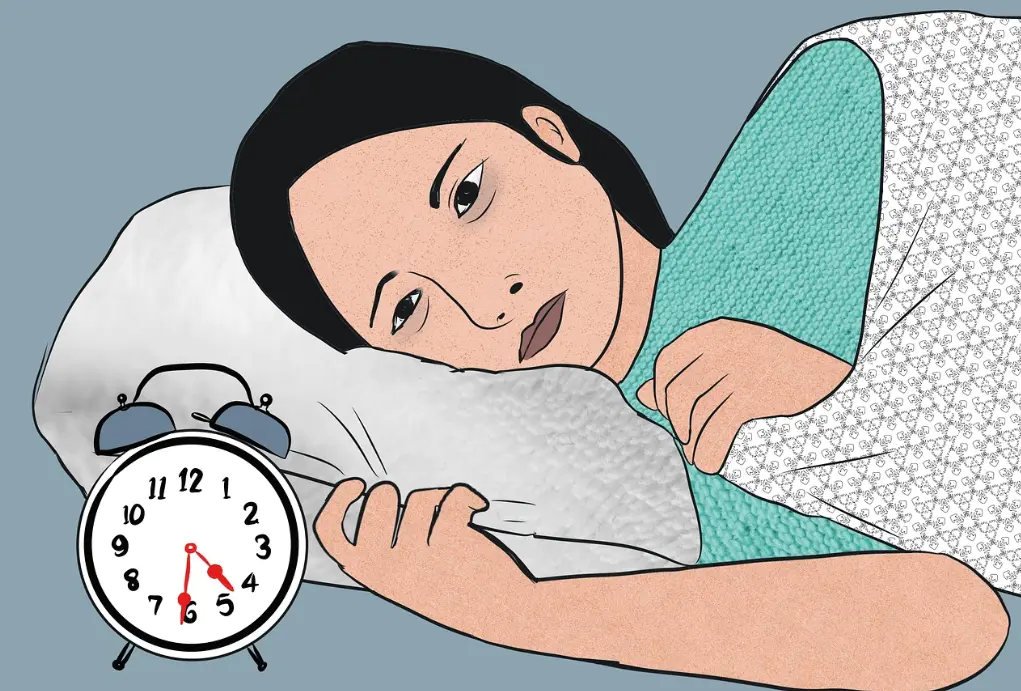
Simple and Effective Tips for Overcoming Insomnia
Struggling with insomnia can feel overwhelming, but you don't have to resign yourself to sleepless nights. There are practical strategies to help you relax and reset your sleep cycle. Here’s a brief guide with expert-backed tips to help you fall asleep faster and improve sleep quality. 1. Create a Sleep-Friendly Environment A calming environment is key to better sleep. Cool your room: Aim for a temperature between 60-67°F (15-20°C). Limit light exposure: Use blackout curtains or an eye mask to block out light. Reduce noise: Consider earplugs or a white noise machine if you’re in a noisy area. 2. Establish a Consistent Sleep Schedule Your body thrives on routine. Go to bed and wake up at the same time every day, even on weekends. Avoid long naps during the day, as they can disrupt your nighttime sleep cycle. 3. Avoid Stimulants and Heavy Meals Before Bed What you consume affects your ability to sleep. Avoid caffeine: Stop drinking coffee, tea, or soda at least 6 hours before bed. Limit alcohol: While it may help you fall asleep initially, alcohol disrupts deeper sleep stages. Don’t eat large meals: Try to avoid eating heavy or spicy foods right before bed. 4. Use Relaxation Techniques Calming your mind and body helps you unwind. Deep Breathing: Try inhaling deeply for 4 seconds, holding for 7 seconds, and exhaling for 8 seconds. Repeat this for a few minutes. Progressive Muscle Relaxation: Tense and then relax each muscle group, starting from your toes and working up to your head. Guided Meditation: Apps like Calm or Headspace offer sleep-specific meditations that guide you into relaxation. 5. Limit Screen Time Before Bed The blue light emitted by screens can interfere with melatonin production, making it harder to fall asleep. Turn off devices: Stop using phones, tablets, and computers at least an hour before bed. Try reading: Opt for a physical book or e-reader with no backlight to avoid disruption to your circadian rhythm. Conclusion Insomnia is challenging, but with small changes to your routine and environment, you can improve your sleep quality. Try these strategies consistently, and give your body time to adjust. If you continue to struggle with sleep, consider consulting a healthcare provider to explore other options.

Navigating Life: Embrace the Journey and Let Go of Control
Life offers two paths: you can drift through it, aimlessly and without direction, or you can sail through it with purpose and intent. The key difference between the two is having a clear sense of direction, even when faced with challenges. Life is full of obstacles—rough waters, unpredictable storms, and moments of uncertainty. In these times, pray for wisdom and prepare to navigate through the storms. Yet, never lose sight of your ability to persevere. Trust in the journey, even when the path ahead feels unclear. Find strength in your belief and faith in the guiding forces that lead you, especially when sailing into the unknown. Trust that, with each wave, you’re exactly where you need to be. The Power of Letting Go One of the greatest lessons that sailing through life teaches is the necessity of letting go. You can’t move forward if you’re tethered to the past or weighed down by unnecessary burdens. What’s anchoring you? What are the emotional or mental barriers holding you back from reaching your full potential? To truly move forward, you must release what no longer serves you. Is it time to let go of old fears, limiting habits, outdated dreams, or unhealthy attachments? Do you need to relinquish past traumas, societal pressures, or the illusion of control? Holding on to control or comfort can keep you anchored in place, preventing growth and limiting your capacity to pursue your dreams. Comfort, though necessary for rest, can become a trap if you rely on it too much. True growth happens when you step outside your comfort zone. By letting go of the need to control the uncontrollable, you free yourself to evolve, adapt, and respond to life’s challenges with resilience. The more you release, the more space you create for new opportunities and experiences to unfold. Navigating Life’s Storms and Calm Waters Remember, you are the captain of your ship. When the storms come—and they will—adjust your sails. Storms are temporary, and no matter how fierce, they eventually pass. During calm, peaceful days, appreciate the stillness and take time to celebrate the joys that life brings. Understand that change is inevitable. Life is a constant ebb and flow, filled with both challenging and peaceful moments. Embrace each one. Every storm is an opportunity to develop resilience and tap into your deeper strengths. There are many who hesitate to set sail, fearing the unknown. They remain anchored, believing they lack the skills to navigate beyond their comfort zone. But you already possess the skills necessary to overcome life’s biggest challenges. Trust yourself, embrace the journey, and appreciate both the calm and the stormy days. By doing so, you’ll live life to its fullest, knowing that every wave holds a lesson. Final Thoughts: Embrace the Crew and the Journey On larger ships, a crew is essential to keep the vessel steady and moving forward. Similarly, in life, it’s crucial to rely on your support network. Don’t be afraid to lean on those who care for you. A solitary journey is a lonely one, and navigating life’s vast ocean can be perilous without a trusted crew by your side. Cherish your connections and trust them to help you thrive. As you sail through life, you’ll undoubtedly face waves that seem overwhelming. But rest assured, there will be far more moments of calm and serenity. To navigate these waters successfully, let go of what holds you back—whether that’s toxic relationships, outdated beliefs, or fears of change. Trust in the process and steer your life toward growth, fulfillment, and joy. Letting go isn’t a sign of weakness; it’s an act of strength. It’s through release that you unlock your greatest potential. Chart your course, trust the journey, and enjoy the adventure. The life you’re meant to live will be truly remarkable if you let go, embrace the unknown, and sail forward with purpose and confidence.